

Want to discover how resin 3D printing is changing the game in 2026? 🚀 Today, this technology isn't just for experts — anyone can create prototypes, end-use parts, and miniatures with incredible quality.
Resin 3D printing has become the go-to choice for its fine detail and smooth surface finish. Whether you're passionate about scale modelling, engineering, or simply pushing creative boundaries, you'll find everything you need here to get the most out of this technology.
In this guide, we cover everything from the basics to advanced tips and the hottest trends of the year. Want to optimize your time, quality, and costs? Keep reading and become a resin 3D printing expert.
Discover the most popular technologies, the best materials, a step-by-step process, how to achieve professional finishes, and the applications that are revolutionizing entire industries. Get ready — the future is already here. Let's print! 💡
What is resin 3D printing?
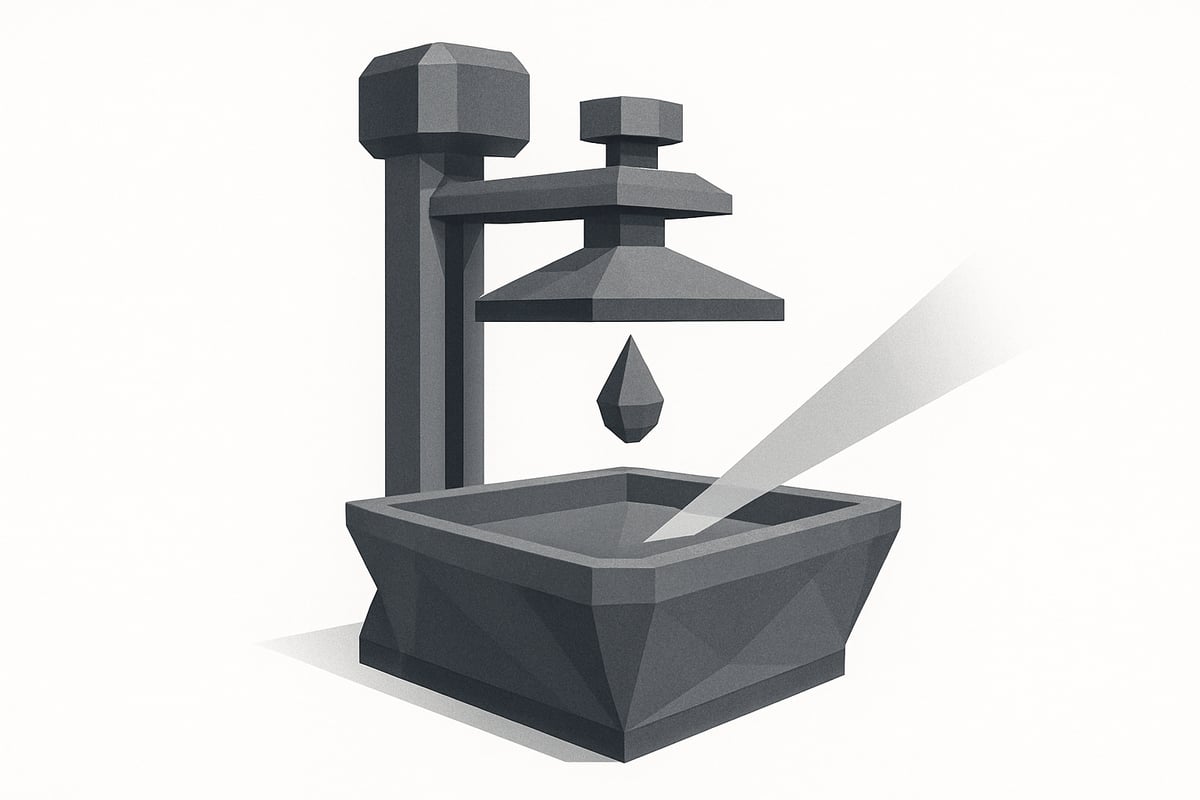
Resin 3D printing 🧪 is a technology that uses ultraviolet light to transform liquid resin into solid objects, layer by layer. Unlike FDM (which melts plastic filament) or SLS (which sinters powder), the key process here is photopolymerization: liquid resin hardens when exposed to UV light, producing parts with incredibly fine detail.
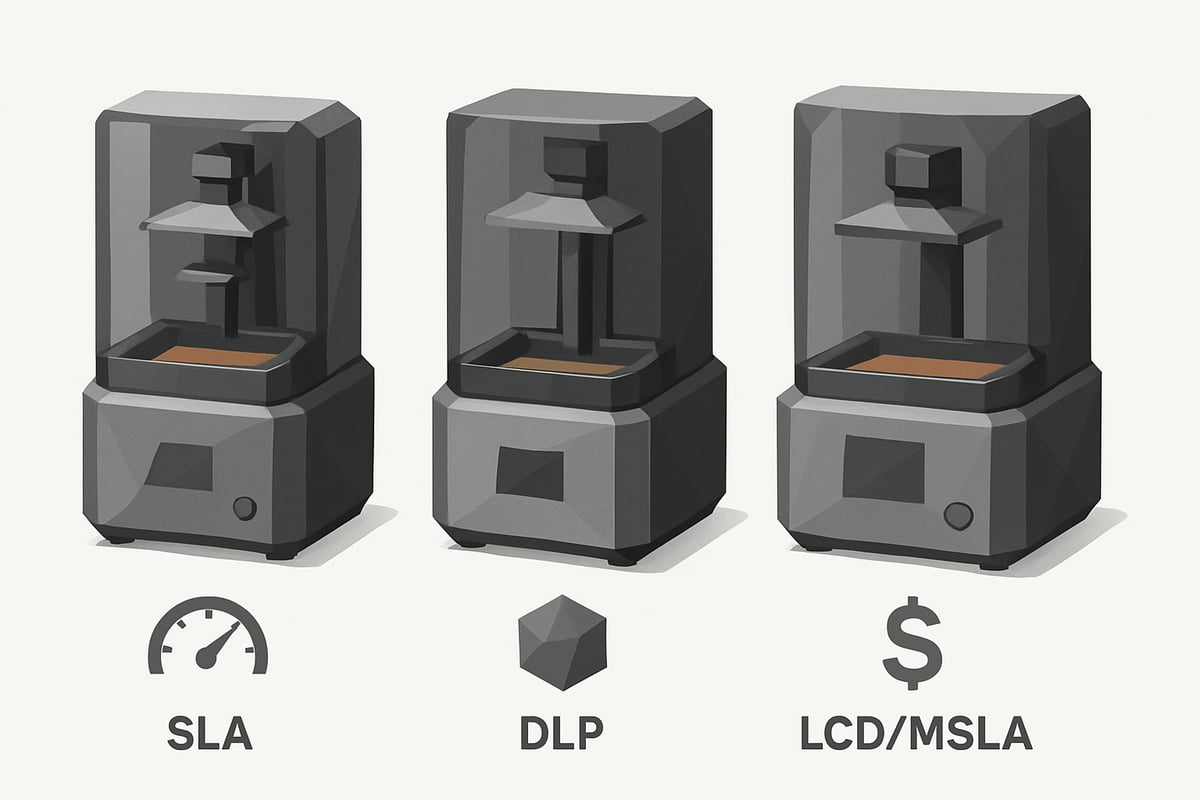
Did you know there are several resin 3D printing technologies to choose from? The most popular are SLA (stereolithography), DLP (digital light processing), and LCD/MSLA (masked stereolithography). Each uses a different light source, which affects speed, resolution, and cost. If you want to dive deeper into how each method works, check out this comprehensive article: What is resin 3D printing and how does it work 🧐.
Key advantages include ultra-high resolution, smooth surface finishes, and the ability to capture microscopic detail. That's why resin 3D printing is the preferred choice for dentistry, jewelry, functional prototypes, and hyper-realistic miniatures.
Take a look at this quick comparison table:
| Technology | Resolution | Speed | Best for |
|---|---|---|---|
| SLA | Very high | Medium | Fine detail |
| DLP | High | Fast | Production runs |
| LCD/MSLA | High | Very fast | Miniatures |
The resin market is growing at 20% per year, with more industrial sectors adopting it every day. 2025 is bringing improvements in precision, speed, and accessibility, opening the door to a whole new wave of users. Don't believe the myths: resin 3D printing isn't just for experts, and it isn't dangerous when you follow the proper safety precautions. The revolution is within everyone's reach! 🚀
Types of resin 3D printers and technologies in 2025
Resin 3D printing technology has taken a massive leap forward in 2025! 🦾 Choosing between SLA, DLP, and LCD/MSLA is easier than ever, thanks to rapid advances and a wider range of printers on the market. Each technology has its own strengths and quirks, so let's break them down to help you find the perfect fit for your project.
Evolution of SLA, DLP, and LCD Technologies
SLA, DLP, and LCD/MSLA are the three main technologies powering resin 3D printing today. But what sets them apart? SLA uses a laser to cure resin, delivering ultra-fine detail. DLP relies on a digital projector, enabling faster print speeds and consistent layer exposure. LCD/MSLA uses an LCD screen to cure resin layer by layer, striking a balance between speed and affordability.
| Technology | Precision | Speed | Cost | 2025 Example |
|---|---|---|---|---|
| SLA | ⭐⭐⭐⭐⭐ | ⭐⭐ | $$$$ | Formlabs 4 |
| DLP | ⭐⭐⭐⭐ | ⭐⭐⭐⭐ | $$$ | Anycubic Photon Ultra |
| LCD/MSLA | ⭐⭐⭐⭐ | ⭐⭐⭐⭐⭐ | $$ | Elegoo Mars 5 Pro |
Resin printers have come a long way in terms of connectivity, print speed, and ease of use. To dive deeper into the latest advances and real-world applications, check out this great overview on the evolution of resin 3D printing, where industry experts break down how this technology is transforming fields like dentistry and jewelry making.
Choosing the Right Printer for Your Needs
When shopping for a resin 3D printer, the key factors to consider are build volume, resolution (measured in microns), and compatibility with different resin types. Desktop printers are a great fit for hobbyists and small-batch production, while professional-grade machines shine when precision and output volume are priorities.
Many modern printers now come with WiFi connectivity, auto-leveling, and resin sensors built right in — making the whole experience much smoother. If you're printing detailed miniatures, a high-resolution LCD/MSLA printer could be your best bet. Working on functional prototypes or batch production? A heavy-duty DLP or professional SLA machine will serve you better. Take stock of your needs and budget before making a decision.
How Resin 3D Printing Compares to Other Technologies
When stacking resin 3D printing up against FDM, SLS, and MJF, resin consistently wins on surface finish and fine detail. FDM is the more budget-friendly option for larger parts, but it simply can't match resin's level of precision. SLS and MJF are built for industrial-scale production, though the costs reflect that.
Industries like dentistry, jewelry, and scale modeling favor resin printing for its quality and versatility. If your work demands intricate geometry, minimal feature sizes, and professional-grade results, resin 3D printing is the clear choice.
Resins and Materials: How to Choose the Right One
Wondering how to pick the best resin for your 3D printer? 🤔 In 2025, the options are wider than ever — and making the right call is essential for great results and safe printing. Here's your go-to guide for cutting through the noise.
Types of Resin Available in 2025
Today's market offers standard resins, ABS-like resins, flexible resins, tough resins, biocompatible resins, clear resins, and water-washable resins. There are also eco-friendly and low-odor formulas, which are ideal for home use. Leading brands like Anycubic, Elegoo, and Mr Resin have options starting from €15.99. For a deeper look, check out this resin 3D printing consumer guide, packed with comparisons and practical tips.
How to Choose the Right Resin for Your Application
Before you buy, make sure to check printer compatibility, mechanical and thermal properties, and the level of detail you need. For functional parts, prioritize strength and durability; for miniatures and fine models, go with a high-resolution resin. Get this right, and your resin prints will hit the mark every time — whether you're a hobbyist or a professional.
Tips for Safe Storage and Handling
Store your resins away from sunlight and keep containers tightly sealed. Always wear gloves and make sure your workspace is well ventilated. Keep in mind that shelf life varies depending on the resin type, and proper waste disposal is essential for protecting the environment. Safety first! 🧤🌱
Where to Buy Resin and Specialist Materials
Specialist online stores offer a wide selection, expert support, and technical advice. Look for suppliers with strong reviews and regular deals — that's where you'll find exclusive materials and save money on your resin 3D printing supplies.
Resin 3D Printing Materials and Accessories – Mr Resin
At Mr Resin you'll find standard resins, ABS-like resins, biocompatible resins, flexible resins, HD resins, and much more — plus filaments and post-processing products like isopropyl alcohol and paints. The online store includes guides, a blog, and exclusive deals for both hobbyists and professionals. Want even more perks? Join our Telegram group and subscribe to the Newsletter for discounts and the latest community news.
Step-by-Step Resin 3D Printing Process
Ready to dive into the world of resin 3D printing? 😎 Here's a complete walkthrough — from file prep to finishing your prints — so you can achieve professional results at home or in your workshop. For a deeper dive, check out our Complete Guide to Resin 3D Printing.

File Preparation and Printer Setup
Start by choosing your 3D model — STL and OBJ are the most widely used formats. Open the file in your preferred slicer software and add supports to any overhanging or delicate areas. Set your layer height and exposure times based on your specific resin and printer.
Don't forget to level the build plate and make sure the printer is clean and ready to go. A solid workflow saves time and prevents costly mistakes — and that's the key to a successful resin 3D print. 😉
- Check file compatibility before slicing.
- Adjust settings to match your resin type.
- Always inspect the resin vat before you start printing.
The Printing Process: Tips and Best Practices
Fill the resin vat to the recommended level. Keep an eye on temperature and humidity, as both can significantly affect your results. While printing, monitor progress to catch early failures such as misplaced supports or air bubbles.
Optimise print time by using the minimum number of supports needed without compromising stability. Did you know that in 2025, success rates exceed 90% on well-calibrated machines? With the right setup, you'll produce highly detailed prints ready for post-processing.
- Ensure adequate ventilation throughout the print.
- Use resin level sensors if your printer supports them.
- Keep gloves and paper towels within reach for any unexpected spills.
Post-Processing: Washing, Curing, and Finishing
Once your resin 3D print is complete, remove the part using a spatula. Wash it with isopropyl alcohol or a dedicated resin cleaning solution to remove any uncured resin residue. Remove supports carefully to avoid damaging fine details.
Cure your print under UV light for 2–10 minutes depending on thickness. For a premium finish, sand lightly, apply primer, and paint with fine brushes. Your miniatures or prototypes will look stunning and hold up beautifully.
- Wear safety glasses and gloves at all times.
- Make sure parts are fully dry before painting.
- Store resins away from light in tightly sealed containers.
Want more tips, discounts, and new releases? Join our Telegram group at https://t.me/MrResin3D and subscribe to our Newsletter. ✨Happy printing! 🚀
Key applications and use cases in 2025
Resin 3D printing is taking over industries and home workshops alike in 2025. Wondering where it truly shines? Here are the standout use cases that are setting the trends. 🚀
Rapid prototyping is king in sectors like automotive and industrial design. Companies validate ideas and refine parts in hours, saving both time and money.
In production, resin enables the manufacture of functional and end-use parts with ultra-fine detail and smooth surface finishes — perfect for short runs and custom orders!
Digital dentistry leverages resin 3D printing to produce aligners, surgical guides, and custom crowns. Projects like the PHIDIAS Project and advances in medical 3D printing show how healthcare is pushing personalisation to the next level.
In jewellery, designers use resin for detailed prototypes and casting moulds, producing one-of-a-kind pieces that simply weren't possible before.
Passionate about miniatures? Scale modelling and custom figure painting have entered a new era, with crisp detail and display-quality finishes.
Electronics benefit too — print custom enclosures and components tailored to any DIY or professional project.
According to the 3D printing resin market growth report, resin 3D printing adoption is growing at double digits across medicine, automotive, and consumer markets. Experts predict even more exciting applications emerging this year.
Ready to join the revolution? Join our Telegram group for exclusive discounts and subscribe to our Newsletter to stay up to date with the latest news, coupons, and community events. ✨Happy printing! 🚀
Trends and the future of resin 3D printing
The future of resin 3D printing in 2025 is more exciting than ever. 🚀 Post-processing automation is cutting turnaround times and making washing and curing simpler than before. AI integration is now optimising print parameters and detecting errors automatically, improving quality and reducing failures.
Smart resins are bringing advanced properties to the table — flexibility, biocompatibility, and sustainability. 🌱 Recycling initiatives and eco-friendly formulas are also gaining ground, helping to reduce environmental impact.
Resin 3D printing has become truly accessible. More affordable printers mean hobbyists and professionals alike can now produce high-precision parts at home or in the workshop.
New applications like bioprinting, microfabrication, and flexible electronics are revolutionizing entire industries. If you want to dive deeper into the latest cutting-edge innovations, we recommend reading about 3D printing innovations for 2025.
The market continues to grow, with expansion predicted across medicine, automotive, and consumer goods. However, challenges remain around safety, regulation, and resin recycling.
Ready to stay ahead of the curve? Join our Telegram group at https://t.me/MrResin3D for exclusive discounts, coupons, and news. And don't forget to subscribe to our Newsletter to always stay in the loop.
✨Happy printing! 🚀
Now that you know everything essential about resin 3D printing in 2025, you're probably eager to try new techniques or take your results to the next level. Whether you're a complete beginner or you've been in the hobby for a while, choosing the right resin can make all the difference in your projects — from highly detailed miniatures to functional prototypes. If you'd like to explore all your options and discover the full range of materials available, I invite you to browse the complete selection here:
Shop all 3D printing resins
You're sure to find exactly what you need to bring your creations to the next level!