

🧲 Did you know that choosing between the different types of 3D printer resins can make or break your projects in 2026? Material innovation is revolutionizing 3D printing, and what seems basic today could become essential tomorrow.
This year, we're breaking down the 7 most important resin types for any 3D printer. From standard resins to advanced options for prototyping, jewelry, and miniatures, we'll show you real-world examples and practical tips for every application.
👀 If you're after quality, detail, and new possibilities, stick around. Get ready to explore the latest trends, key benefits, and how to choose the right resin to make your prints stand out in 2026. Let's print the future together! 🚀
Why Does Choosing the Right Resin Matter So Much in 2026?
In 2026, 3D printing is going through an incredible wave of innovation. Choosing between the different types of 3D printer resins can mean the difference between a flawless part and a failed prototype. The range of available resins grows every year, opening up new applications in medicine, art, industry, and beyond.
Your resin choice has a direct impact on the quality, detail, and durability of your prints. According to All3DP (2024), 70% of 3D printer users switch resins depending on the project. Take this example: a detailed miniature printed with the wrong resin can lose definition or break easily, while the right choice delivers top-tier results.
What factors should you consider when choosing?
- Compatibility with your printer
- Strength and flexibility
- Level of detail
- Ease of post-processing
- Sustainability and eco-friendly options
On top of that, demand for eco-friendly and biocompatible resins keeps growing year on year. Getting expert guidance and relying on trusted resources, like our guide to available 3D resin types, is key to making the right call and getting the most out of this year's advances.
Remember! Choosing the right type of 3D printer resin is the foundation of any successful project.
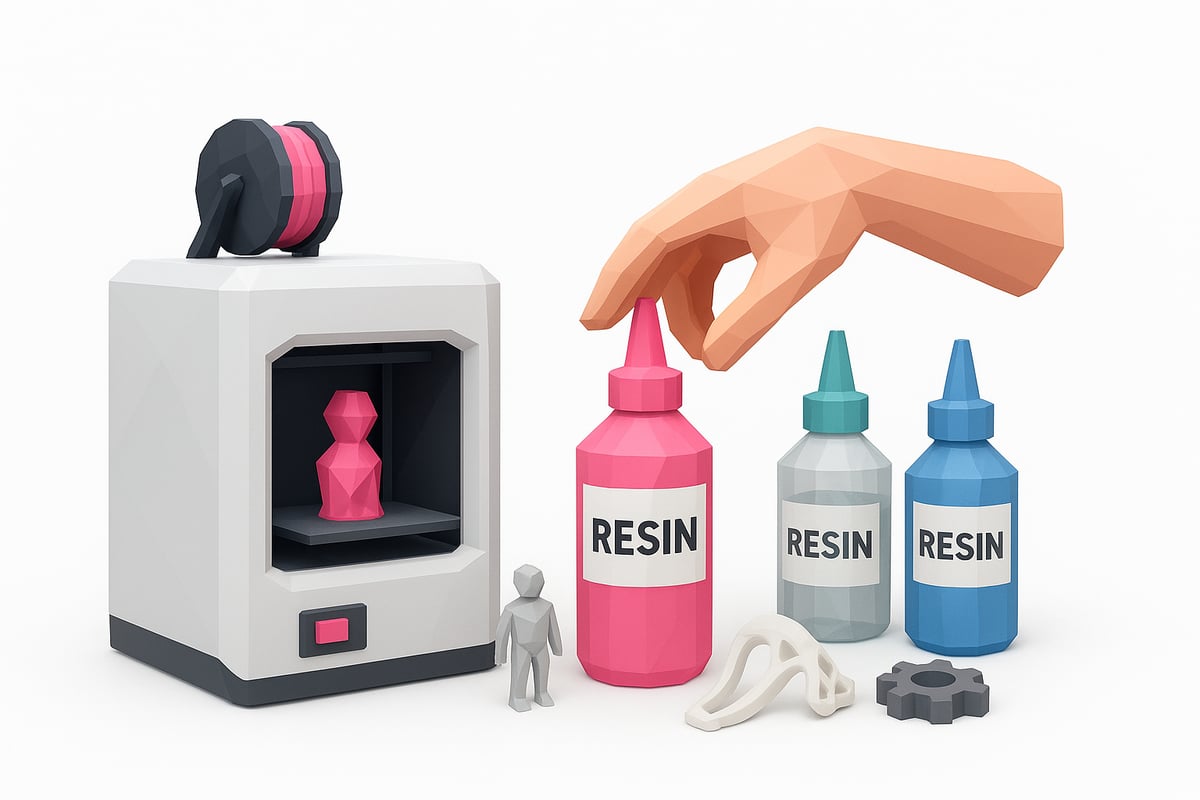
7 Essential Types of 3D Printer Resin in 2025
Want to discover the 3D printer resin types that are setting the trends this year? Let's dive into the materials that will take your prints to the next level — stronger, more detailed, and more professional than ever. Each type has unique advantages for different projects, from miniatures to industrial parts. Here's your practical guide, complete with real-world examples, pros, cons, and tips to help you choose wisely in 2025.
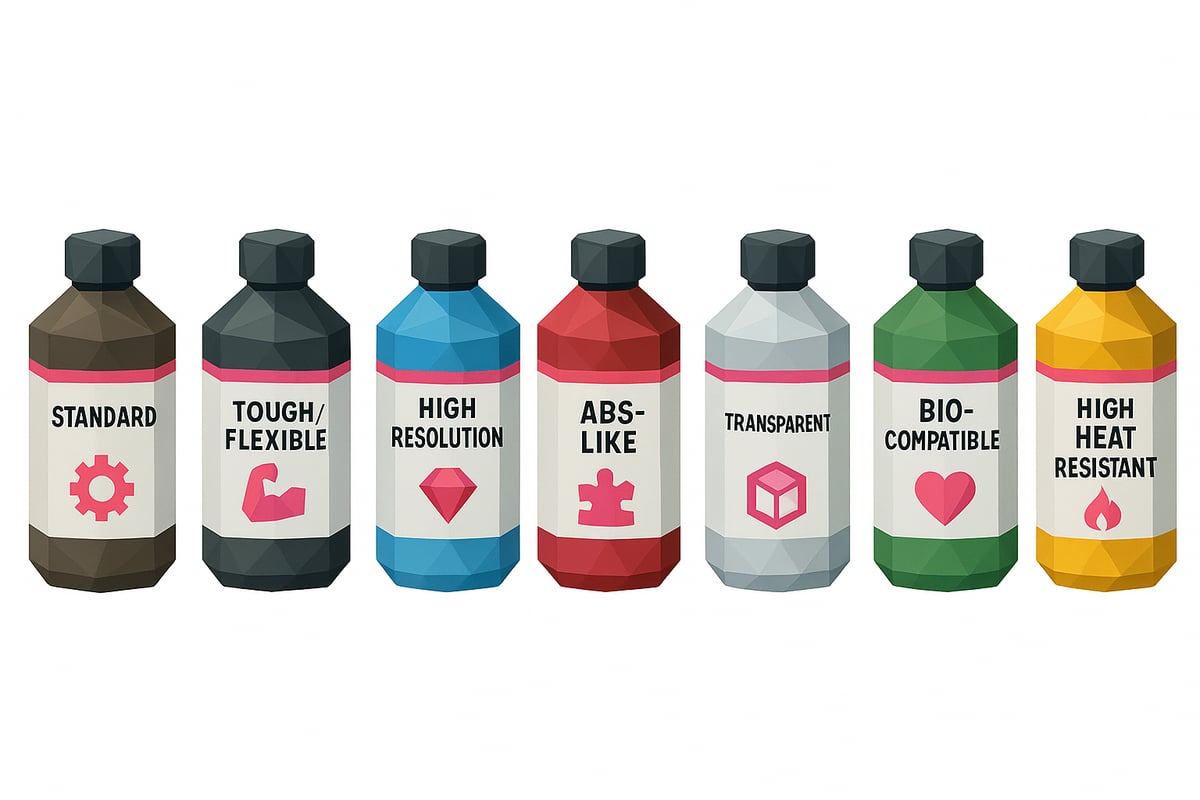
1. Standard Resin [Tip]
Standard resin is the most widely used of all 3D printer resin types, thanks to its versatility and affordable price point. Made from acrylic monomers, it's ideal for quick prototypes and miniatures.
- Pros: Wide range of colors, easy to sand and paint.
- Cons: Lower mechanical strength, not suitable for parts under stress.
- Example: Gaming miniatures and design proof-of-concept parts.
Perfect for beginners, makers, and anyone looking for fast results. Real photos on mrresin.es showcase the quality these resins can achieve.
2. Tough/Flexible Resin [Tip]
If you're looking for 3D printer resin types that can handle impacts and bending, tough/flexible resin is the way to go. It offers high impact resistance and some elasticity, making it ideal for functional parts like enclosures, hinges, and gears.
- Pros: Durable, absorbs impacts, great for functional prototypes.
- Cons: Higher price point, slightly longer cure times.
- Example: Printed enclosures that survive drops.
A go-to choice for engineers and designers who need parts that can take a beating. Real-world images showcase its flexibility and toughness.
3. High-Resolution/Fine Detail Resin [Tip]
Need razor-sharp detail? This resin type stands out among 3D printer resin types for its low viscosity and ultra-smooth finish. It's perfect for jewelry, dentistry, and highly detailed miniatures.
- Pros: Crisp details, smooth and clean surfaces.
- Cons: Brittle, higher cost.
- Example: Jewelry rings and dental models.
Jewelers, dental professionals, and scale modelers choose it for precision results. Real images show the stunning definition these prints can achieve.
4. ABS-Like Resin [Tip]
ABS-like resin mimics traditional ABS plastic, striking a balance between hardness and ease of post-processing. Among 3D printer resin types, it's a popular pick for functional parts and prototypes that need rigidity.
- Pros: Impact-resistant, easy to sand, great for replacement parts.
- Cons: Less detail than standard resin.
- Example: Automotive parts and gears.
A solid choice for advanced makers and industries that need robust, workable parts. Real images highlight just how sturdy and functional these prints are.
5. Clear/Transparent Resin [Tip]
Want to see right through your creations? Clear resin is perfect for unique visual effects and optical prototypes. Among 3D printer resin types, it lets you create lamps, lenses, and prototype bottles. You can find more information on applications and products at Transparent 3D Resins.
- Pros: Reveals internal mechanisms, crystal-clear finish.
- Cons: Can yellow over time, requires special post-processing.
- Example: Bottle prototypes and lamp designs.
Artists and engineers alike turn to it for visually striking and functional projects. Real images show off its clarity and glossy finish.
6. Biocompatible/Medical Resin [Tip]
This resin type is certified for clinical use, making it essential in dentistry and medicine. Among 3D printer resin types, it stands out for its safety and precision in splints, hearing aids, and medical prototypes.
- Pros: Biocompatible, meets medical regulations, highly precise.
- Cons: High cost, requires certified printers.
- Example: Dental splints and printed hearing aids.
Clinics and labs rely on it for custom patient solutions. Real images demonstrate successful medical applications.
7. High Heat-Resistant Resin [Tip]
For industrial applications, high heat-resistant resin is a must. Among 3D printer resin types, it withstands extreme temperatures and is ideal for molds and automotive components.
- Pros: Holds its shape under high heat, great for functional testing.
- Cons: Can be brittle, challenging to post-process.
- Example: Molds and automotive components.
Engineers and the aerospace industry rely on it for its thermal performance. Real images showcase heat-resistant molds in action.
Tips for Choosing the Best Resin for Your Project
Want to nail your next print? Choosing the right type of resin for your 3D printer can make the difference between a stunning result and a failed part. Before you decide, think about the final use of your object and the environment it will live in. Printing a decorative miniature is a very different challenge from printing a functional mechanical component.

Here are some key tips to keep in mind:
- Always check compatibility between the resin and your printer.
- Read reviews and expert guides, such as the latest 3D print resin market trends.
- Test with small quantities before committing to larger production runs.
- Factor in your budget and how often you print to avoid unexpected costs.
For example, testing a standard resin against a tough resin on the same design can reveal clear differences in strength and surface finish. According to 3Dnatives 2024, 60% of users reduce costs simply by choosing the right resin from the start. Remember — research and testing are your best tools for mastering the world of 3D printer resin types.
Mr Resin: Your Online Resin Store and Expert 3D Printing Resource
Looking for the best resin types for your 3D printer? At Mr Resin you'll find an impressive range of resins — from standard and tough to biocompatible — plus tools and guides for every need. 🛒 Browse real product photos and successful print case studies. Join our Telegram community for exclusive deals, support, and insider tips. Whether you're a maker or a professional, Mr Resin is your go-to partner for 3D printing!
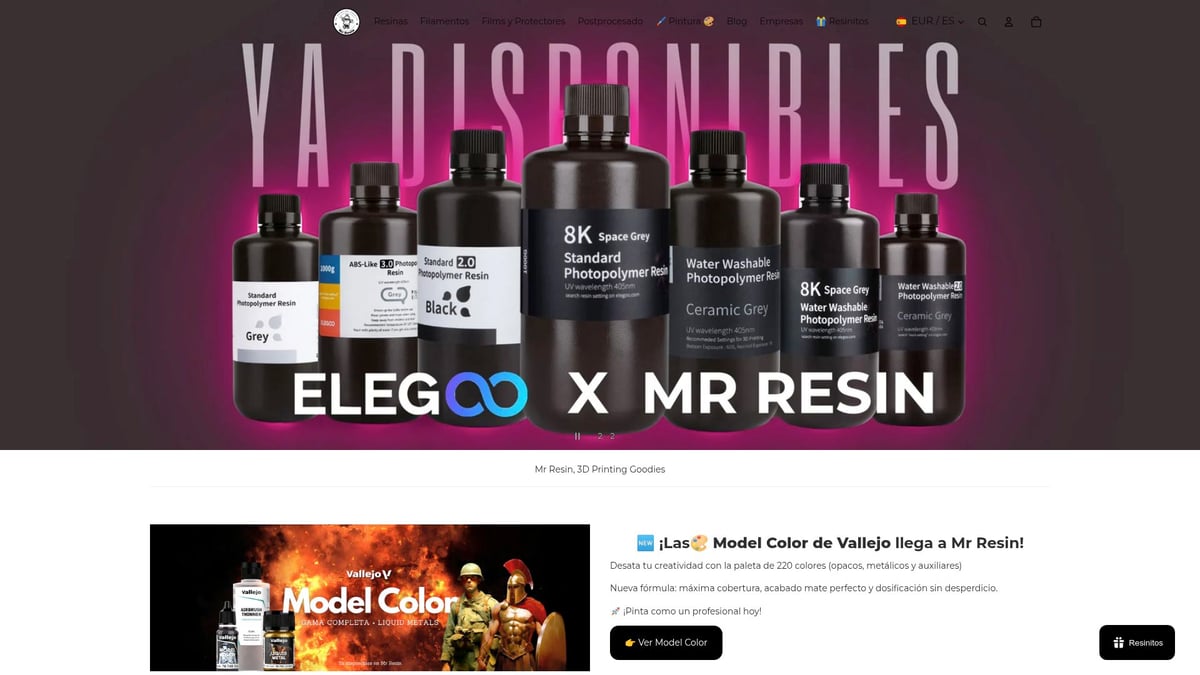
Now that you have a clear picture of the most important 3D printer resin types for your 2025 projects, you might be wondering which one is the right fit for that idea you've been sitting on. And trust me — picking the right resin can make all the difference in the final result, whether you're printing ultra-detailed miniatures or tough functional parts. If you want to explore the full range, compare colors, finishes, and prices, check out our complete resin collection. You're sure to find exactly what you need to take your prints to the next level.
Shop All 3D Printing Resins