

Wondering whether resin vs filament 3D printing is the right choice to get started in 2025? 🎯 You've come to the right place! This decision can make a real difference whether you're a curious hobbyist, a demanding professional, or a business looking to streamline your projects.
Here you'll discover the pros, cons, and most powerful applications of each technology. We'll break down how they work, print quality, costs, best use cases, 2025 trends, and give you practical tips to choose with confidence.
Ready to compare and find out which one suits your needs? Read to the end and make the decision that will help you achieve incredible results. Let's go! 🚀
How does FDM/FFF filament 3D printing work?
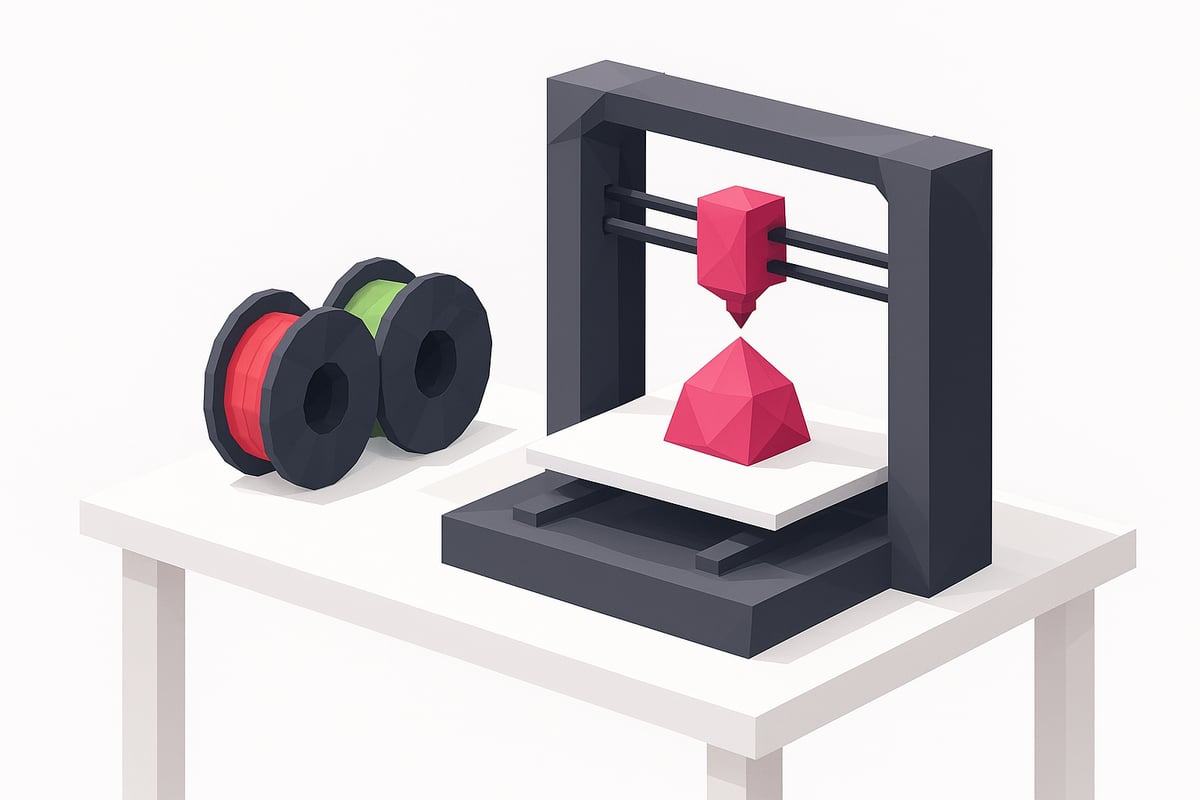
Filament 3D printing, known as FDM or FFF, is where most people begin their resin vs filament 3D printing journey. How does it work? The printer heats a plastic filament — similar to a hot glue gun — and deposits it layer by layer to build the desired object.
The most popular materials include PLA, ABS, PETG, and TPU. Each has its strengths: PLA is easy to use and eco-friendly, while ABS offers greater durability. If you want to see a real-world example, check out the PLA filament for 3D printers product page.
What makes FDM printing so appealing? Here are its key advantages:
- Easy to use — perfect for beginners.
- Low cost printers and materials.
- Wide variety of filament colors and types.
- Great for rapid prototyping and functional parts.
That said, it does have its limitations:
- Medium resolution, with visible layer lines in the finish.
- Post-processing is straightforward but may require sanding or painting.
- Fine details can be lost compared to resin printing.
A typical example is printing brackets, replacement parts, or large prototypes quickly. In fact, 60% of home users prefer FDM for its accessibility and low cost, according to 2024 market trends.
Who is it ideal for? If you're a beginner or need to print large objects, FDM is the most convenient and budget-friendly way to start your 3D printing journey when weighing up resin vs filament 3D printing.
How does resin 3D printing work (SLA, DLP, LCD)?
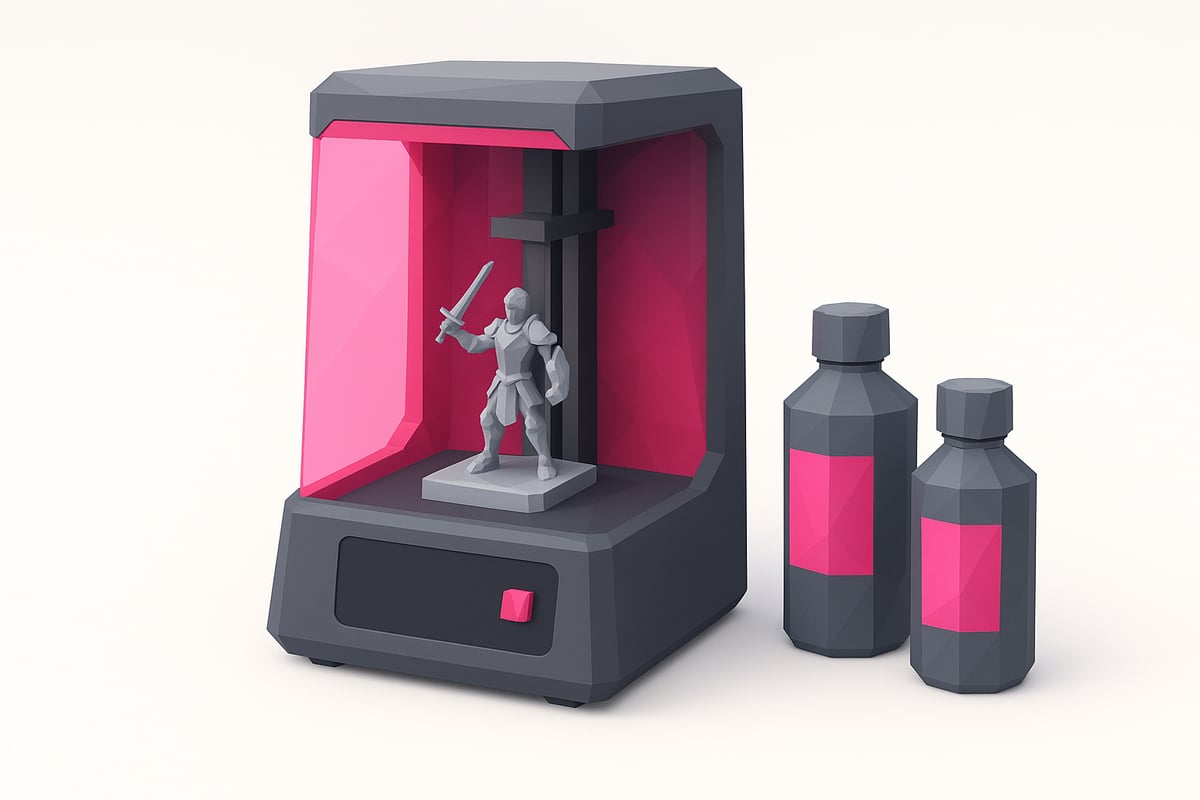
Ever wondered how resin vs filament 3D printing differs when it comes to surface finish? Resin 3D printers use technologies such as SLA (Stereolithography), DLP (Digital Light Processing), and LCD. All of them use light to cure ultra-thin layers of liquid resin, producing parts with a remarkable level of detail.
With SLA, a laser traces each layer across the resin, while DLP and LCD use light screens to solidify entire areas at once. The result is smooth-surfaced models with microscopic detail — ideal for miniatures, prototypes, and medical applications.
The most commonly used materials include standard, flexible, dental, and miniature-specific resins. For example, those printing collector miniatures or custom dental parts choose resin for its precision and professional finish.
The advantages of resin 3D printing include:
- Ultra-high resolution (layers as fine as 0.025 mm)
- Fine details and smooth surfaces
- Wide variety of resins for different applications
However, there are also some limitations:
- Resin cost is generally higher
- Post-processing requires washing and UV curing
- Precautions needed for odors and safe handling
An interesting fact: 70% of professional miniature makers prefer resin, according to 2024 industry surveys. If you want to dive deeper into the differences between resin and filament, check out our detailed guide.
Resin 3D printing is the top choice for those seeking premium finishes and maximum precision in every project.
Head-to-Head Comparison: Resin vs Filament in 2025
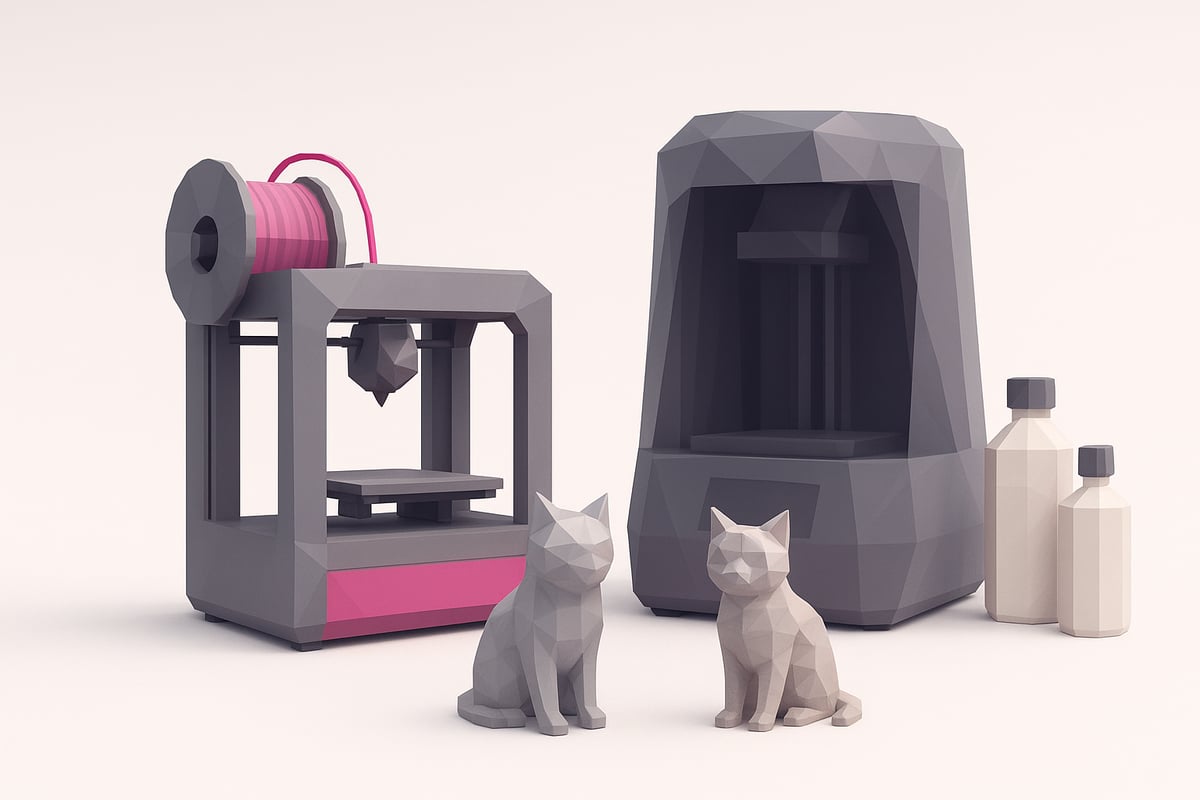
Ready to see resin vs filament 3D printing go head to head? Let's break down the key factors you need to consider before diving into your next project — so you know exactly which technology suits you best in 2025.
Print Quality and Precision
When it comes to quality, resin vs filament 3D printing shows some clear differences. Resin can achieve layer resolutions as fine as 0.025 mm, delivering incredibly sharp details and silky-smooth surfaces. Filament typically sits between 0.1 and 0.2 mm, with visible layer lines — but it's ideal for functional prototypes.
Picture a miniature: printed in resin, it looks smooth and razor-sharp; in filament, the layers are noticeable. In fact, 85% of resin users choose it specifically for detail quality. Bottom line — if precision is your priority, resin wins; for functional parts, filament gets the job done.
| Feature | Resin (SLA/DLP/LCD) | Filament (FDM/FFF) |
|---|---|---|
| Layer Resolution | Up to 0.025 mm | 0.1–0.2 mm |
| Surface Detail | Very High | Medium |
| Finish | Smooth | Visible layer lines |
Speed and Print Volume
Speed is another area where resin vs filament 3D printing differs significantly. Filament is faster for large parts and supports continuous printing — perfect when you need volume. For example, a 10 cm part can be ready in just 3 hours with FDM, while resin might take closer to 5 hours, albeit with far greater detail.
Build volume also differs: FDM printers can handle large objects, while resin is constrained by the vat size. If you need to print big or in bulk, filament is your go-to. If you're after fine small-scale details and don't mind the wait, resin is the way to go.
Cost and Maintenance
In the resin vs filament 3D printing cost battle, price plays a major role. FDM printers start from around €200, while resin printers typically begin at €300. Filament costs between €15 and €30/kg — pretty affordable — whereas resin ranges from €30 to €80/litre, which can be a dealbreaker for many.
Maintenance requirements also differ: FDM involves cleaning the nozzle, while resin demands more upkeep — including vat cleaning and safe chemical handling. Energy consumption and protective gear (masks, gloves) add to the overall cost of resin printing. According to surveys, 55% of users consider the price of resin the biggest barrier to entry. For a deeper dive, check out this resin vs filament 3D printing comparison.
Safety, post-processing, and the environment
Filament is safe and straightforward to work with, while resin requires precautions due to fumes and toxicity. Post-processing also differs: filament only needs sanding and painting, whereas resin requires washing and UV curing.
On the environmental side, PLA is biodegradable, but resin still isn't as sustainable. The trend heading into 2025 points toward greener materials, though there's still a long way to go.
Recommended applications and use cases in 2025
Wondering what each technology is best suited for in the resin vs filament 3D printing debate? 🤔 Let's break it down with real-world examples and 2025 trends!
Filament (FDM/FFF):
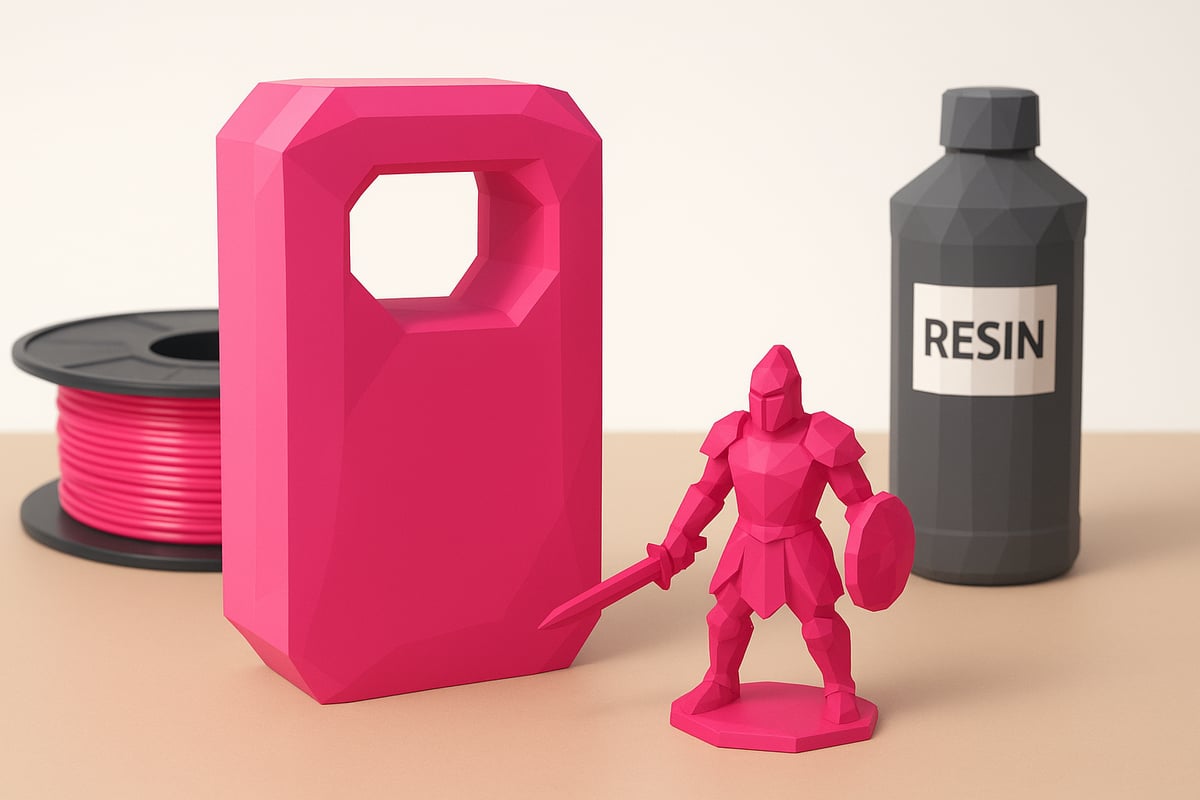
Ideal for rapid prototyping, toys, brackets, enclosures, and large parts. It's the go-to choice in education and for anyone looking to print large functional objects without the hassle.
Resin (SLA/DLP/LCD):
Essential for miniatures, jewellery, dental models, medical parts, and anything where fine detail is critical. If a premium finish is your goal, explore the 3D printing resin collection and find the right option for your needs.
Real-world example:
An architecture firm uses FDM for structural scale models and SLA for decorative details — striking the perfect balance on every project.
2025 trends:
Composite and recycled filaments are gaining serious traction, alongside technical resins for industrial and creative applications. 65% of startups already combine both technologies depending on the project stage, confirming that resin vs filament 3D printing isn't an either/or choice — it's complementary.
Which should you choose?
If you're a hobbyist looking for versatility, start with filament. For professionals and creatives, resin unlocks a whole new level of detail. The real secret? Combine both and experiment!
Selection guide: How to choose between resin and filament 3D printing in 2025
Not sure where to start with the resin vs filament 3D printing decision? 🤔 Don't worry! Before committing, consider your budget, the type of parts you want to print, your workload, and your experience level. Each technology has strengths that may suit you better depending on your goals.
Quick comparison
| Feature | Filament (FDM/FFF) | Resin (SLA/DLP/LCD) |
|---|---|---|
| Starting price | Lower 💸 | Higher 💵 |
| Ease of use | Beginner-friendly 🧑💻 | Requires more care 🧤 |
| Detail & finish quality | Medium, visible layer lines 🟧 | Very high, fine detail 🎨 |
| Build volume | Larger 🏗️ | Limited 📏 |
| Safety | High 👌 | Extra precautions needed ⚠️ |
Tips and questions to help you decide
- Want to print large, functional parts? FDM could be your best bet.
- Need high detail and smooth surface finishes? Give resin printing a try.
- Prefer speed and lower cost? Filament usually wins here.
- Want to start simple and level up later? Begin with FDM, and once you've got it down, take the plunge with resin!
Ask yourself: What kind of projects excite you most? Do you care more about speed or detail? That will make choosing between resin vs filament 3D printing much easier.
Growth, resources, and community
Many makers start with FDM and later move into resin printing to take their results to the next level. In fact, 40% of advanced users run both technologies in their workshops. If you want to dive deeper, we recommend this full comparison of resin vs filament 3D printers and this practical guide to resin 3D printing in 2025.
Be sure to check out guides and reviews before buying, and join online communities to get your questions answered — it'll make the whole experience smoother and a lot more fun!
Now that you have a clear picture of what resin 3D printing offers compared to filament (and vice versa), the next step is to explore the options that best fit your needs. If you're curious about the range of resins available for your next project, take a look at everything on offer — from standard resins to highly technical speciality options. And if you have any questions, the community is always there to help. Browse them here: Shop all 3D printing resins