

Wondering which 3D printing technology is the best fit for your projects in 2025? If you're looking to compare FDM printing with other leading technologies, you've come to the right place! 🚀
Here you'll discover the pros and cons, costs, applications, and the latest trends. We'll break down materials, print quality, post-processing, pricing, industries, and practical recommendations — all explained in plain English.
Ready to make a confident, informed decision? Keep reading for the ultimate comparison guide to help you choose the 3D printing technology that best fits your needs. 💡
What Is FDM Printing and Why Does It Still Matter in 2025?
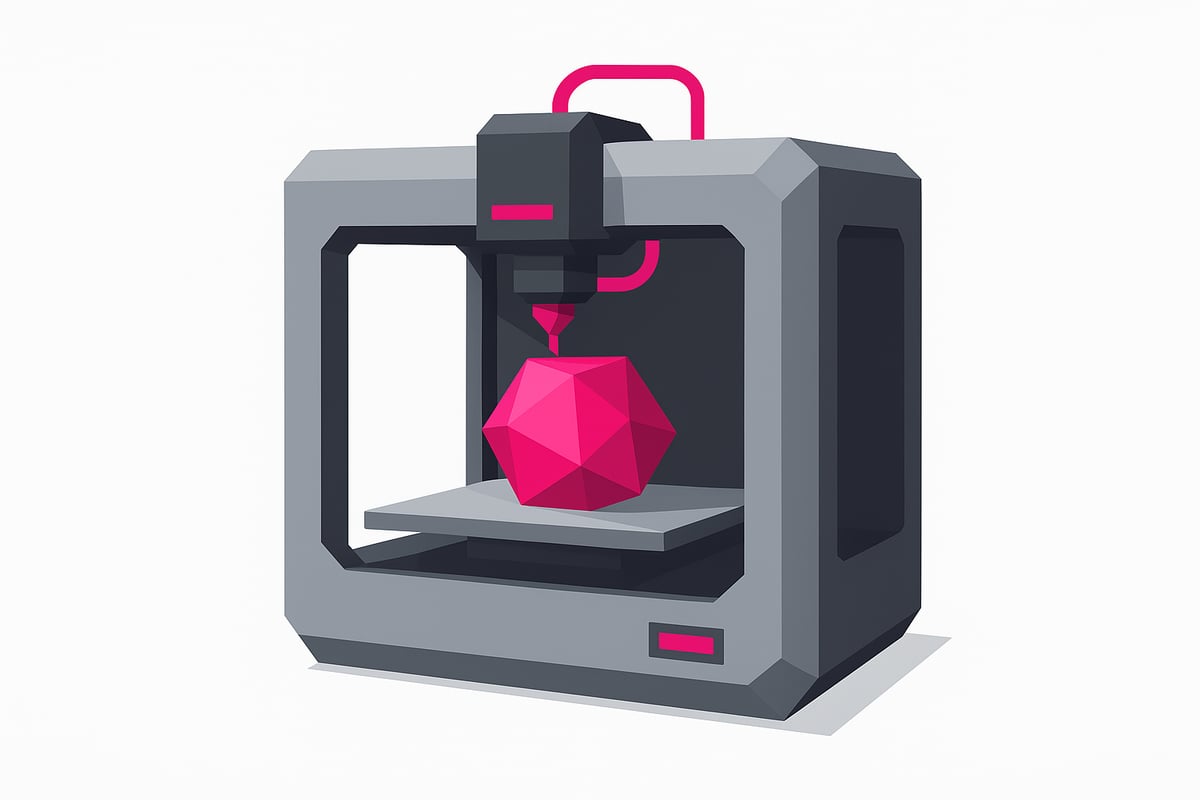
FDM printing, or Fused Deposition Modeling, works by melting a plastic filament and depositing it layer by layer to build an object. It's the most widely used 3D printing technology in homes, schools, and workshops thanks to its simplicity and low cost.
In recent years, FDM printing has come a long way. It's now more precise, faster, and compatible with a huge range of materials — from PLA to engineering-grade filaments. According to recent data, more than 60% of desktop 3D printers sold worldwide in 2023 were FDM machines.
Popular FDM printers include models like the Creality Ender 3 and Prusa i3 MK4, which you can find at stores like www.mrresin.es. These machines are ideal for rapid prototyping, education, and printing functional parts. Check out the full range of FDM filaments to explore even more possibilities.
In 2025, FDM printing remains relevant because of its accessibility, ease of use, and ongoing improvements in speed and accuracy — keeping it the go-to choice for both beginners and professionals who need reliable, cost-effective results.
Top Alternatives to FDM: SLA, SLS, and DLP Explained
Curious about what's out there beyond FDM printing? SLA, DLP, and SLS technologies have all made major strides in 2025, each with its own strengths and ideal use cases. Let's dive in! 😎
SLA (Stereolithography) and DLP (Digital Light Processing)
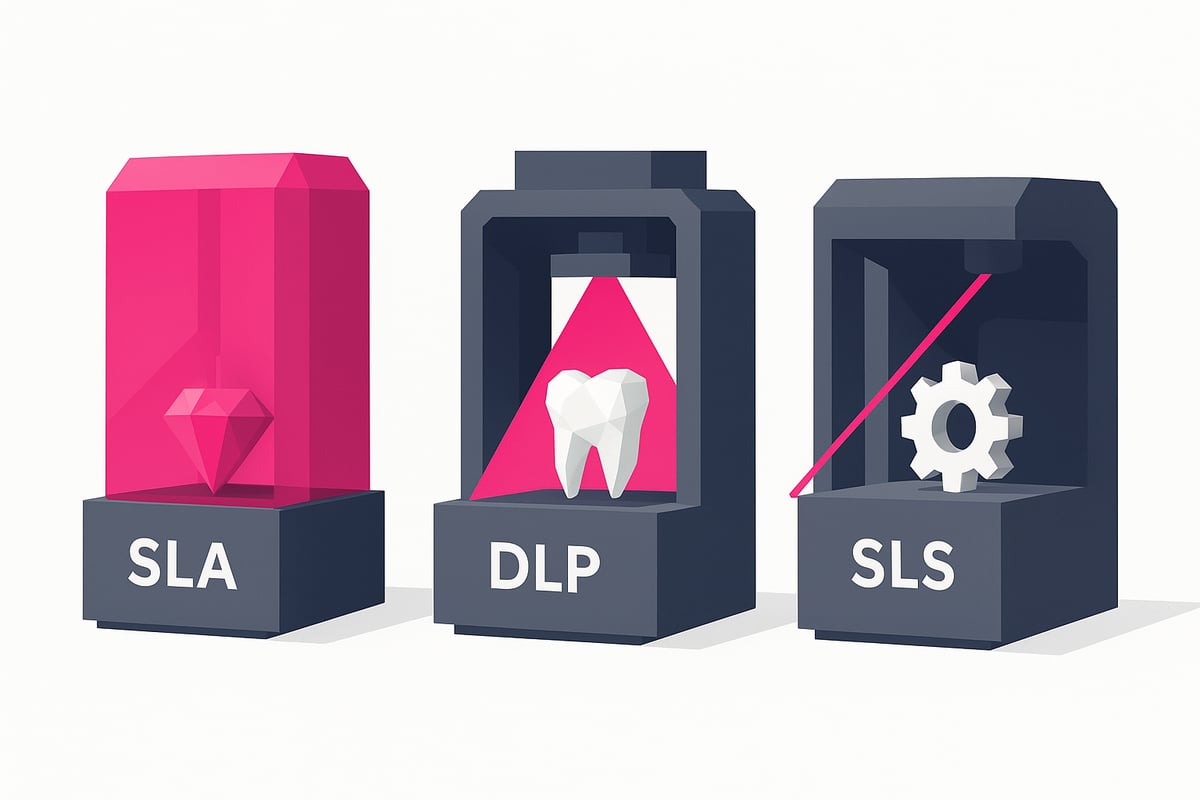
SLA and DLP both use light to cure liquid resin layer by layer. The result? Incredibly high-resolution parts with razor-sharp detail — perfect for jewelry and dental applications. Compared to FDM printing, they deliver smoother surface finishes and near-perfect dimensional accuracy. Current standouts like the Anycubic Photon Mono X and Elegoo Mars 4 (available at www.mrresin.es) are transforming the industry. In 2024, SLA/DLP adoption grew by 25% in dental and jewelry applications. For a deeper look at how these technologies stack up, check out this 3D printing technology comparison.
SLS (Selective Laser Sintering)
SLS uses a laser to fuse nylon powders or composites, creating strong parts with no support structures required. This alternative to FDM printing is ideal for complex geometries and industries such as aerospace and automotive. Machines like the Sinterit Lisa X deliver industrial-grade results, as showcased by leading manufacturers. SLS stands out for its durability and design freedom, though it requires a higher investment and prior experience.
Material comparison and mechanical properties
Material choice is key when selecting a 3D printing technology. Whether you need flexibility, strength, or a specific surface finish, each option has its advantages. Let's break down the main differences between FDM, SLA/DLP, and SLS!
| Technology | Main materials | Mechanical properties | Approximate cost |
|---|---|---|---|
| FDM | PLA, ABS, PETG, engineering, flexible | Good strength, flexibility, easy post-processing | From €20/kg |
| SLA/DLP | Standard, flexible, heat-resistant, biocompatible resins | High precision, smooth finish, less flexible | From €70/L |
| SLS | Polyamides, composites, engineering-grade | High strength, durability, complex geometries | Higher cost (from €100/kg) |
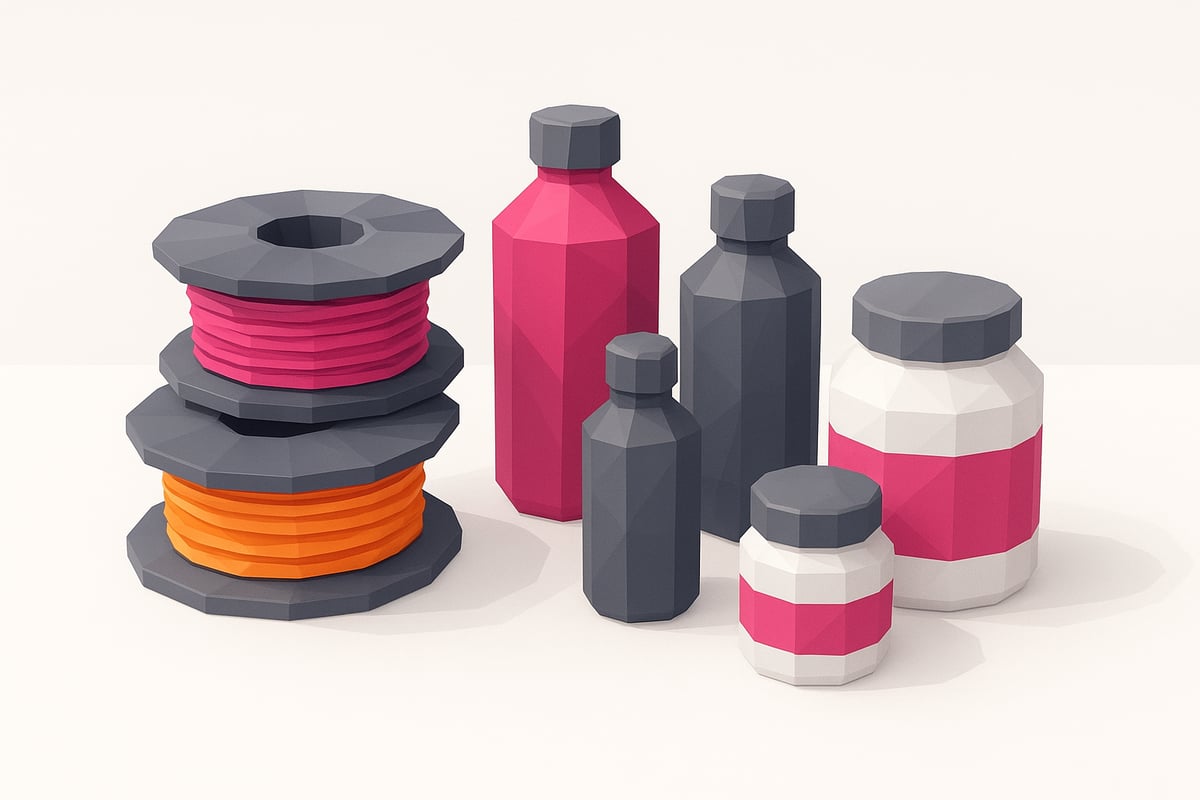
In FDM printing, PLA is the most popular material thanks to its ease of use and low cost. To learn more about filament types, visit our PLA Materials for FDM section and explore all available options.
SLA and DLP excel in surface finish and fine detail, making them ideal for small parts such as jewellery or medical applications. SLS, on the other hand, produces robust and complex parts, making it the go-to choice in engineering and automotive applications.
FDM leads in material variety and affordability, while SLA/DLP stands out for detail and SLS for strength. Choosing the right technology comes down to your needs: do you want low cost and versatility, or maximum precision and durability?
Print quality, precision, and surface finish
Ever wondered how FDM print quality compares to other technologies like SLA, DLP, or SLS? Let's take a closer look! 🔍
Resolution and detail: where every millimetre counts
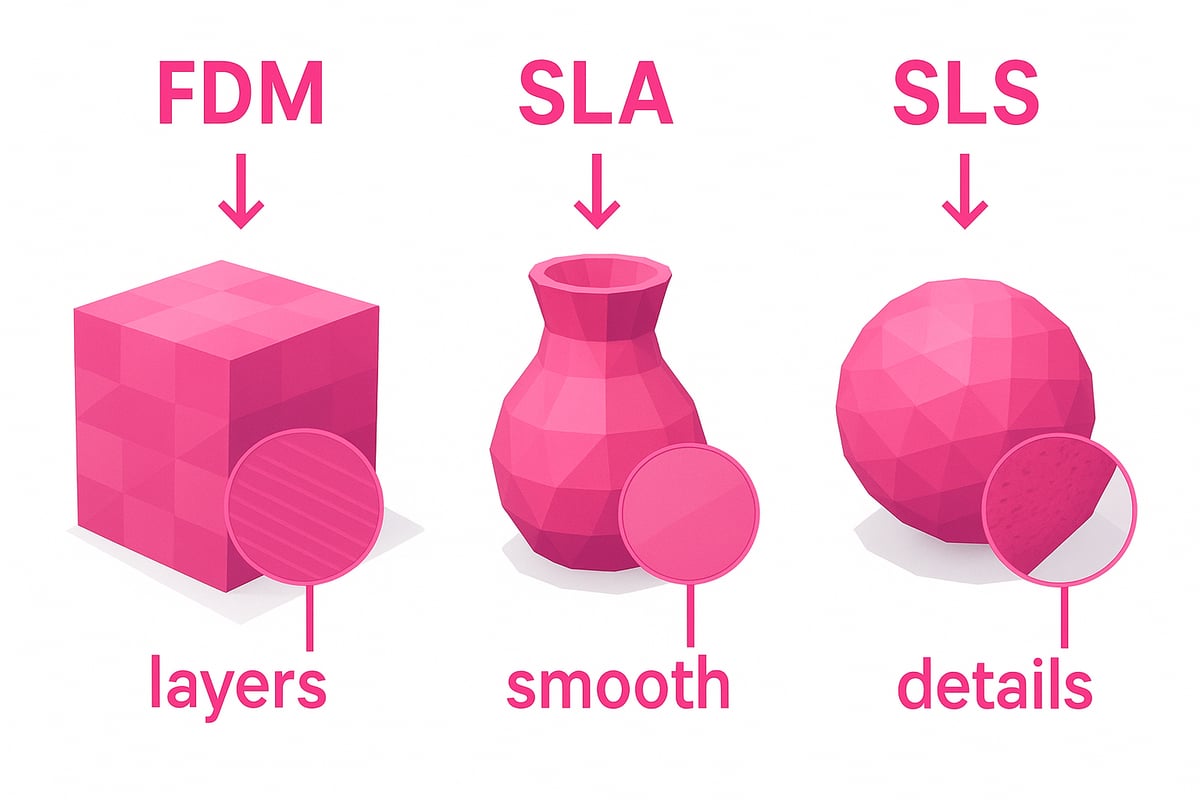
Resolution is critical for any 3D printing project. With FDM printing, layer heights typically range from 0.1 to 0.4 mm. By comparison, SLA and DLP achieve ultra-thin layers of 0.025 to 0.1 mm, enabling much sharper detail. SLS falls between the two, with layer heights of 0.08 to 0.12 mm.
| Technology | Typical Resolution (mm) | Visual Detail |
|---|---|---|
| FDM | 0.1 - 0.4 | Visible layers |
| SLA/DLP | 0.025 - 0.1 | Highly detailed |
| SLS | 0.08 - 0.12 | Fine details |
Surface finish: smooth or textured?
With FDM, layer lines are typically visible and require post-processing to achieve a smooth finish. This is where 3D printing post-processing accessories make all the difference, helping you sand, polish, and refine your prints.
SLA and DLP deliver smooth surfaces right out of the printer, making them perfect for miniatures, jewellery, and dental applications. SLS, on the other hand, produces parts with a matte texture, ideal for functional prototypes and technical components.
Accuracy and where each technology shines
SLA/DLP lead the pack in dimensional accuracy, making them the go-to choice when surface quality is critical — for example, in jewellery and dental work. FDM printing is ideal for rapid prototyping and functional parts, though it does require careful calibration and some post-processing know-how.
SLS allows you to create complex geometries without supports, making it a star in engineering and automotive applications. Bottom line: if you're after the best visual finish, SLA/DLP are king; for affordability and versatility, FDM remains a top contender.
Post-processing and ease of use across each technology
Post-processing is a key factor when choosing between FDM printing and other alternatives. Each method comes with its own stages, tools, and challenges, which directly affects ease of use and your day-to-day experience.
Post-processing steps by technology
- FDM: Remove supports, sand edges, and polish surfaces. Tools like the Polysher can help smooth out the finish. The process is straightforward and safe, making it great for beginners.
- SLA/DLP: Parts need to be washed in isopropyl alcohol and cured under UV light. Gloves are essential and you'll need to work in a well-ventilated area, as resins can be irritating. The final finish is very smooth, but the process requires more care.
- SLS: Involves removing excess nylon powder using brushes or sandblasting. No supports are needed, but specialised equipment is required to handle the powder safely.
Time and difficulty comparison
| Technology | Average Post-Processing Time | Difficulty | Safety |
|---|---|---|---|
| FDM | 10–20 minutes | Low | High |
| SLA/DLP | 30–45 minutes | Medium–High | Medium |
| SLS | 20–40 minutes | Medium | Medium |
FDM post-processing is the quickest and most accessible option, allowing for greater productivity and a shorter learning curve. SLA/DLP requires more steps and care, while SLS excels with complex geometries — though it does involve handling fine powders.
If ease and speed are your priorities, FDM is the recommended choice. For professional-grade results, SLA/DLP and SLS deliver superior finishes, though they demand more time and effort in post-processing.
Costs and accessibility in 2025: which technology is right for you?
Thinking about getting into FDM printing or exploring other technologies in 2025? Let's break down the costs and accessibility so you can make a confident choice!
Today, entry costs vary quite a bit depending on the technology. FDM printers start from around €200, making them ideal for individuals and small businesses. SLA/DLP machines begin at roughly €500, while SLS remains a premium option, coming in at over €5,000.
| Technology | Printer Price | Materials (approx.) | Maintenance |
|---|---|---|---|
| FDM | from €200 | filament €20/kg | nozzles, print bed |
| SLA/DLP | from €500 | resin €70/L | resin vats, UV curing |
| SLS | from €5,000 | powder €100/kg | filters, cleaning |
Maintenance requirements differ across technologies: FDM needs nozzle replacements and basic cleaning, SLA/DLP requires attention to resin vats and curing, while SLS involves more complex upkeep processes.
For beginners, FDM printing is simply unbeatable in terms of accessibility. Businesses and makers alike appreciate its low cost and short learning curve. According to the 3D Printer Market in 2025, FDM continues to lead sales thanks to its balance of affordability and ease of use.
What about trends for this year? SLA/DLP and SLS are gradually becoming more affordable and accessible, but FDM remains the go-to entry point for most users. The right choice ultimately comes down to your budget and what you want to create!
Application sectors and best uses by technology
FDM printing is the top choice for rapid prototyping, education, and low-cost functional parts manufacturing. It's no coincidence that 80% of educational institutions use it, as highlighted in this educational initiative bringing 3D printing to thousands of students.
SLA and DLP, on the other hand, dominate in jewellery, dental, and miniature printing, standing out for their precision and fine surface finishes. Already, 60% of dental labs prefer them for detailed work and high-quality prototypes.
SLS shines in engineering, automotive, and aerospace applications, making it ideal for complex, durable parts. Its ability to print without supports makes it a key player in advanced industrial production.
Not sure which technology is right for you? If you're looking for more information on applications and industries, visit our Resources for 3D Businesses and find the best option based on your cost, quality, and volume requirements.
| Technology | Best Use | Sectors |
|---|---|---|
| FDM | Rapid prototyping, functional parts | Education, makers, small businesses |
| SLA/DLP | High precision, miniatures, dental | Jewellery, dental, design |
| SLS | Complex parts, high durability | Automotive, aerospace, engineering |
Choose your technology based on your goals, budget, and desired finish quality — that's the key to making your projects a success!
Conclusion:
When comparing FDM printing with technologies like SLA, DLP, and SLS, it's clear that each option offers unique advantages depending on your needs. If you're looking for accessibility, material versatility, and ease of use in 2025, FDM printing remains the favourite for rapid prototyping and education — while SLA and SLS excel in precision and industrial applications.
Ready to take your projects to the next level? Discover the best materials and accessories in the Mr Resin online store. Join our Telegram group here for exclusive discounts, coupons, and community events.
Don't forget to subscribe to our Newsletter so you never miss a deal, new release, or 3D printing tip. Stay one step ahead in the maker world!
✨ Happy Printing! 🚀
Now that you have a clear picture of the differences between FDM and other 3D printing technologies, you're probably wondering which material is the best fit for your next project. Choosing the right resin can make all the difference — from surface finish to durability and fine detail in your prints. If you're curious about exploring new options or want to easily compare quality and price, take a look at all the resins we have available in our online store. Browse, compare, and find exactly what you need!
Shop all 3D printing resins