

Can you imagine bringing your ideas to life with incredible detail? 🤩 If you're passionate about 3D printing, you're about to discover how SLA technology is revolutionizing the game.
Today, SLA resin 3D printing is essential for creating objects with flawless finishes — from miniatures to professional-grade parts. This advancement has opened up exciting new possibilities for makers, artists, and businesses alike.
In this ultimate beginner's guide for 2025, you'll learn what SLA resin is, how it works, its advantages, how to print step by step, safety tips, and how to choose the best material for your needs.
Ready to take your projects to the next level? Keep reading and become an SLA resin expert!
What Is SLA Resin and How Does It Work?
Ever wondered how some makers and professionals achieve such fine detail and smooth finishes in 3D printing? The secret is SLA resin — a technology known as Stereolithography that uses ultraviolet light to cure photosensitive liquid resin, building models layer by layer with remarkable precision.
Unlike FDM printing, where plastic is melted and deposited in strands, SLA resin delivers much higher resolution and smoother surfaces. It also differs from DLP technology — SLA uses a laser to trace each layer, while DLP projects a full image of the entire layer at once. The result? Miniatures, prototypes, dental parts, and jewelry with professional-quality finishes.
On the market, you'll find many types of SLA resin, from standard resins to flexible or tough options. If you want to explore all the choices and find out which one best suits your project, check out this selection of 3D resins for SLA printing. That way, you can pick the right material for everything from detailed figurines to functional parts.
SLA resin has driven tremendous growth in the 3D printing market, with demand that continues to rise. Thanks to its precision and wide range of applications, both beginners and experienced makers choose it to bring their ideas to life. And the best part? It's becoming more accessible to everyone all the time.

Pros and Cons of SLA Resin 3D Printing
Ever wondered why SLA resin has become so popular in the 3D printing world? 😃 Let's break down the pros and cons so you can decide if it's the right fit for you.
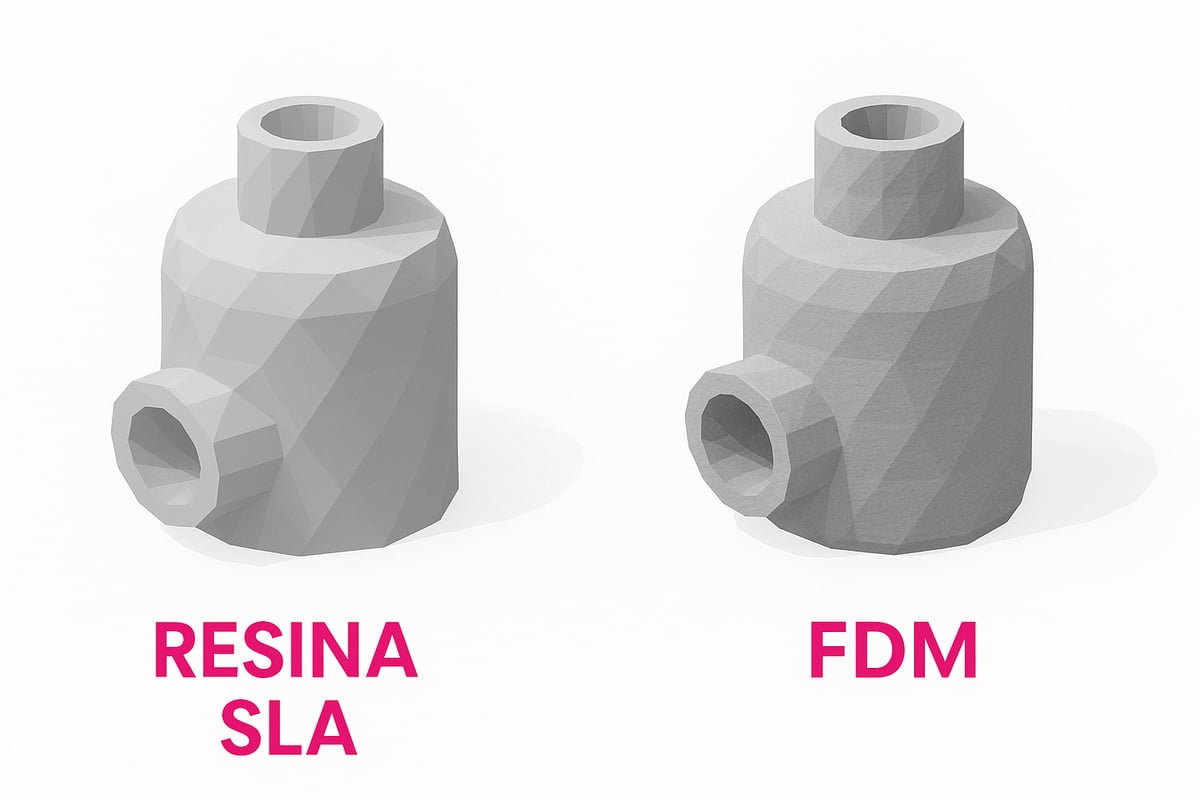
Benefits and limitations of SLA resin
SLA resin stands out for its exceptionally high resolution and ability to capture the finest details. It's ideal for miniatures, jewelry, and prototypes with smooth, polished surfaces. There's also a wide range of materials available — from standard resins to flexible or engineering-grade options.
That said, it's not without its drawbacks. SLA resin tends to cost more than FDM filament. Post-processing also takes time, including washing and curing your prints. That's why following best practices is essential — check out this handy post-processing and cleaning guide to get it right. On top of that, you should always handle SLA resin with gloves and a mask to stay safe.
Comparison and Ideal Applications
Here's a quick comparison:
| Feature | SLA Resin | FDM |
|---|---|---|
| Resolution | Very high | Medium |
| Surface finish | Smooth and detailed | Rougher |
| Post-processing | Required (washing/curing) | Optional (sanding) |
| Material cost | Higher | More affordable |
SLA resin is ideal for small, highly detailed parts, but it's not recommended for large or functional objects that need significant mechanical strength. Beginners tend to love the level of detail it produces, though the workflow can feel a bit involved at first. Experienced users choose it for prototypes and display models, thanks to the excellent durability of properly cured prints.
How to 3D Print with SLA Resin: A Step-by-Step Guide
Ready to create your first SLA resin prints? Here's an easy, practical step-by-step guide to achieving stunning results from the very start. 🛠️
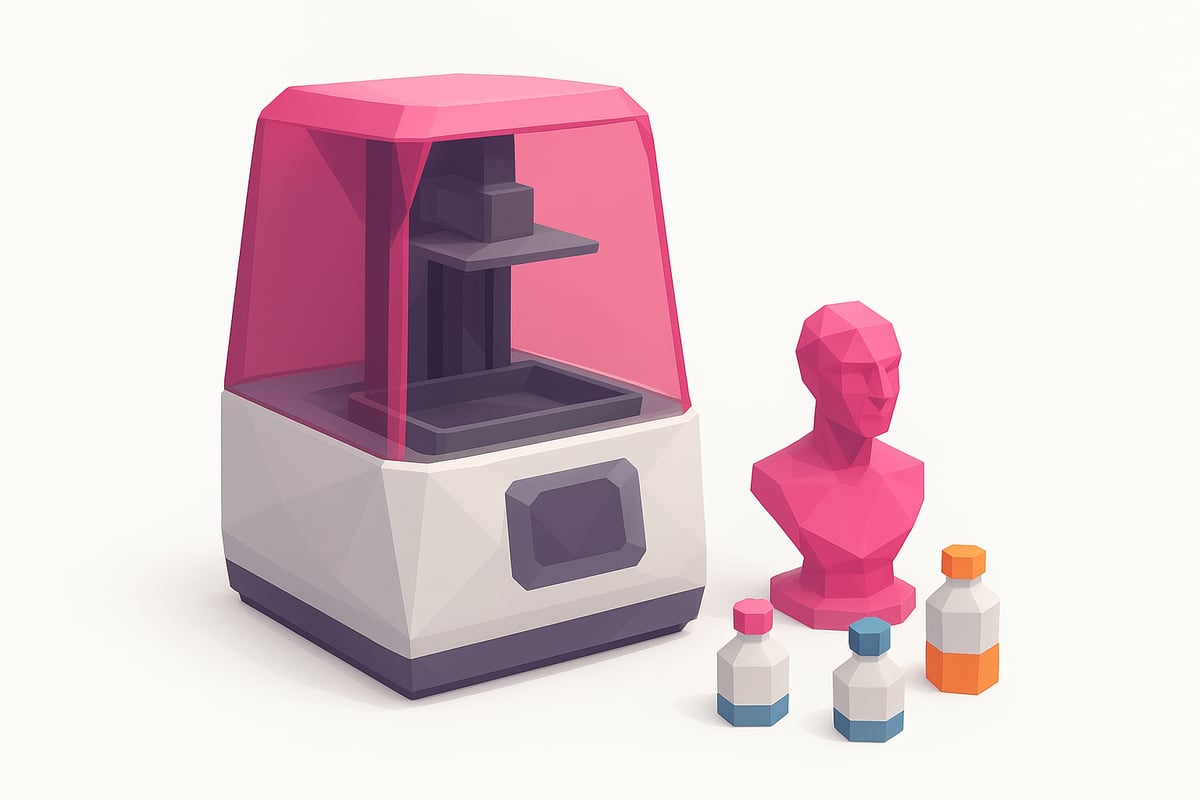
1. Model Preparation and Software Setup
Start by downloading or designing your 3D model in STL or OBJ format. Open a resin-specific slicer such as Lychee or Chitubox.
- Set your layer height (typically 0.05–0.1 mm)
- Add supports to delicate overhanging areas
- Configure the exposure time for each layer
These steps ensure your model prints with the fine detail that SLA resin is known for.
2. Printer and Resin Setup
Make sure the build plate is level and clean. Choose the right SLA resin for your project and shake the bottle thoroughly before pouring it into the vat.
- Pour the resin into the FEP vat carefully
- Consider water-washable resins for easier cleanup — a great option for beginners (Water-Washable SLA Resins)
- Always check your printer's manual to avoid common mistakes
Getting this stage right makes a huge difference to your final results.
3. The Printing Process
Start the print from your printer's menu. Keep an eye on the first few layers to make sure the base adheres properly to the build plate.
- Print times typically range from 2 to 8 hours depending on size and complexity
- Watch out for bubbles or unusual sounds
- Keep the cover on throughout the print
Patience is key to getting a perfect SLA resin print.
4. Safe Post-Processing
Once the print is finished, wear gloves before removing the part. Wash it in isopropyl alcohol to remove any uncured resin, then cure it under UV light.
- Use a wash and cure station for a more convenient workflow
- Never handle fresh resin without protection
- Make sure the part is fully dry before handling it further
This process ensures your finished part is safe to handle and built to last.
5. Finishing and Final Details
Gently sand any imperfections with fine-grit sandpaper. If desired, paint your model with acrylics and assemble any additional parts your design calls for.
- Wear a dust mask when sanding to avoid fine particle inhalation
- Apply a primer coat for a professional finish
- Share your finished creation online!
And that's it! You're all set to show off your SLA resin prints.
Safety and Maintenance Tips for SLA Resin Printing
Did you know that safety is essential when working with SLA resin? 🧤😷 It not only protects your health but also extends the life of your equipment. Here are the best tips and recommendations so you can print with confidence and no nasty surprises.

Basic safety protocols for resin printing
- Always wear nitrile gloves and a respirator mask when handling SLA resin. This prevents skin contact and exposure to harmful vapours.
- Keep your workspace well ventilated. Open windows or use an exhaust fan.
- Store resin and waste in sealed containers, away from direct light.
- Clean your printer and tools after every session to prevent sticky residue build-up.
- Keep absorbent paper towels and isopropyl alcohol on hand to deal with spills quickly.
Want to go deeper? Check out the 3D Resin Printing Manual to follow recommended protocols and stay up to date.
Remember, prevention is your best friend. Stick to these guidelines and your SLA resin printing experience will be safe, straightforward, and highly rewarding.
How to Choose the Best SLA Resin for Beginners in 2025
Wondering which SLA resin is right for your first steps in 3D printing? 🧐 Making the right choice from the start will save you headaches, money, and unwanted surprises.
Key factors when choosing SLA resin:
- Viscosity (affects detail level and ease of cleaning).
- Hardness and strength (for functional or decorative parts).
- Colour and transparency.
- Compatibility with your printer and ease of curing.
There are several types of SLA resin on the market. Here's a quick comparison table:
| SLA Resin Type | Main Characteristic | Best For... |
|---|---|---|
| Standard | Easy to use, great value | Prototypes, figurines |
| Flexible | Bends without breaking | Gaskets, moving parts |
| Tough | High durability | Engineering, mechanical parts |
| Rapid Prototyping | Fast curing | Drafts and quick test prints |
For beginners, standard resin is the best place to start. But if you need parts that can handle heavy use, explore tough and specialist 3D resins for more advanced options.
When buying online, compare prices, look for starter kits, and check reviews from other users. A good specialist retailer will offer support and personalised advice! Most beginners report high satisfaction when they choose the right SLA resin from the outset, according to recent surveys.
Common SLA Resin Printing Mistakes and How to Fix Them
Has your model ever detached from the build plate, or mysterious bubbles appeared mid-print? Don't worry! Working with SLA resin comes with its share of challenges, but here are the most common issues and simple ways to solve them.
Common mistakes:
- Print not sticking to the build plate: check your leveling and clean the platform thoroughly.
- Bubbles or voids: shake your SLA resin well before use and double-check your exposure settings.
- Incomplete prints: adjust your layer height and make sure your resin hasn't expired.
To avoid spills and staining, always clean the resin vat and build plate after every print. Regular calibration is the key to consistently great results. Real-world tip: if you notice layer lines or uneven surfaces, check your supports and try increasing the exposure time for your bottom layers. With a bit of practice and these tips, your prints will come out flawless!
Conclusion:
You now have everything you need to get started with SLA resin 3D printing and take your projects to the next level! Remember, at www.mrresin.es you'll find resins, accessories, and exclusive guides to make your printing experience even better.
Join our Telegram group at https://t.me/MrResin3D for discounts, coupons, and a passionate community to share your work with. Don't forget to subscribe to our Newsletter so you're always first to hear about deals and new arrivals.
✨ Happy Printing! 🚀
If this guide has got you excited to try SLA resin printing — or you're curious about all the options available heading into 2025 — you're in the right place! At Mr Resin you'll find a huge range of resins to match your printer and your projects, whether you're printing detailed miniatures, prototypes, or anything else you can imagine. You can also browse the blog for tips and tricks to get the most out of every print. Ready to take a look?
Shop all 3D printing resins