

Do your acrylic brushes harden quickly or lose precision after just a few uses? 🎨 It's a more common problem than you might think, and it's usually caused by improper cleaning. If you've ever wondered how to clean acrylic paint brushes effectively, you're in the right place!
Cleaning your brushes properly not only extends their lifespan, it also improves your artistic results and saves you money. In this guide you'll discover the necessary materials, the most effective step-by-step process, the most common mistakes, and the best expert tips for keeping your tools like new.
Ready to learn the 2026 method and take your art to the next level? Keep reading and transform your experience just by changing your cleaning routine. 🧽🖌️
Materials needed to clean acrylic paint brushes
Ready to discover how to clean acrylic paint brushes so they last much longer? 🧼🖌️ The secret is using the right materials and avoiding improvising with products that can damage the bristles.
Here's what you'll need:
-
Lukewarm water (not cold or hot)
-
Neutral soap or soap specifically for brushes
-
Containers for rinsing and cleaning
-
Paper towels or soft cloths
-
Brush combs for detangling bristles
Optional but recommended:
-
Specialist acrylic cleaners
-
Bristle conditioners to soften and protect
If you use synthetic brushes, look for gentle cleaners that won't dry out the material. Natural hair brushes, on the other hand, benefit from an extra dose of conditioner. Keep in mind that 80% of damage comes from unsuitable products, according to leading reference blogs.
Here's a quick comparison:
|
Product |
Basic (homemade) |
Specialised |
|---|---|---|
|
Soap |
Neutral soap |
Brush soap |
|
Brush comb |
Optional |
Recommended |
|
Bristle conditioner |
No |
Yes |
Avoid using solvents or abrasive products. If you want to see quality options and where to find them, you can explore our selection of Brush Cleaning Accessories and choose the best for your creative space.
Finally, set up your cleaning area in a well-ventilated spot, with everything within reach and away from heat or moisture sources. Having a kit ready will make cleaning your brushes a natural part of your artistic routine!

Step by step: How to clean acrylic paint brushes effectively
Ready to transform the life of your brushes? 😎 Here is the definitive step-by-step guide on how to clean acrylic paint brushes. By following these tips, your tools will always look like new and your artwork will be impeccable.
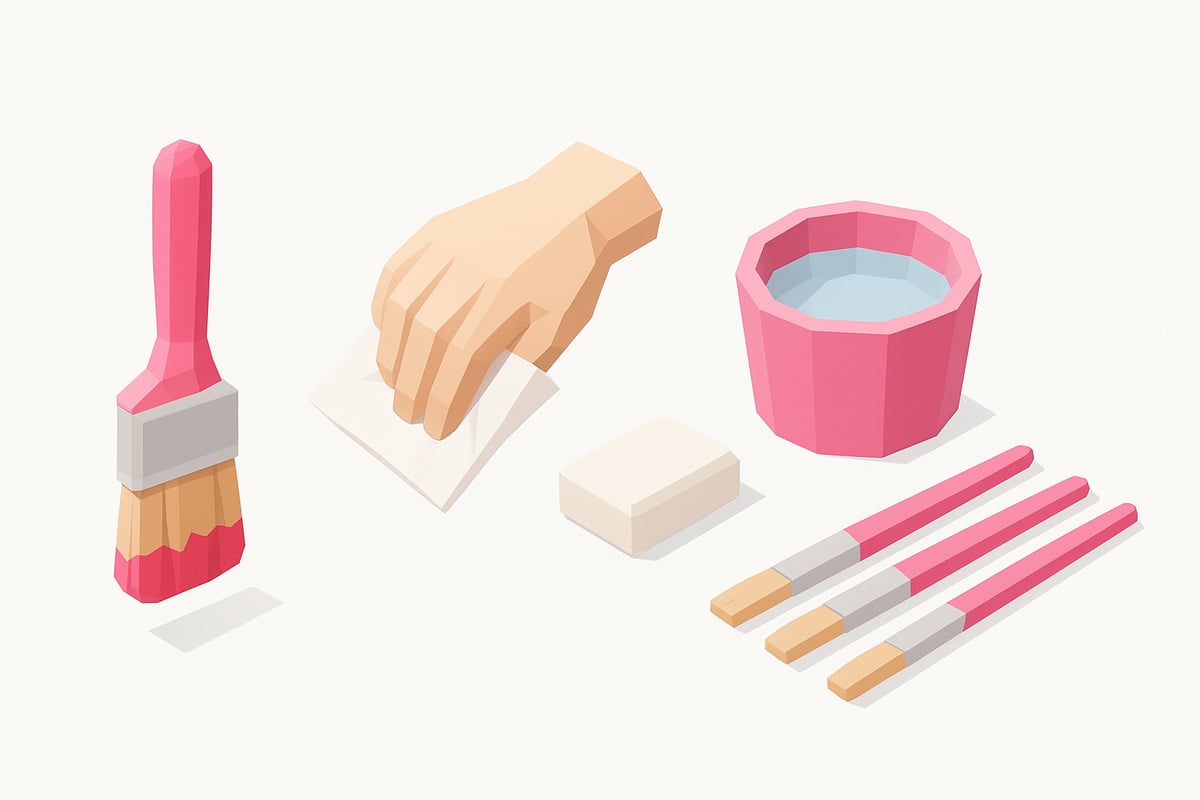
Step 1: Remove excess paint immediately
The first and most important thing is not to let acrylic paint dry on the bristles. As soon as you finish painting, take an absorbent paper or a clean cloth and gently remove the excess paint.
-
Do it by gently pressing the bristles, without twisting or crushing them.
-
If you clean immediately, the bristles maintain their flexibility and shape.
-
If you let the paint dry, it will stick at the base and will be almost impossible to remove.
For example, if you clean your brush right after finishing, it will return to its original shape in seconds. If you forget, the paint will form a crust and the brush will lose precision. This small gesture makes all the difference!
Step 2: Initial rinse with warm water
Now, submerge only the bristles of the brush in a container with warm water (neither cold nor hot). Use gentle movements, without hitting the bottom or bending the bristles.
-
Change the water if it becomes very cloudy.
-
Do not wet the handle to prevent the glue from deteriorating.
-
Warm water helps loosen the paint without damaging the fibres.
For example, hot water can soften the glue and loosen the bristles, while cold water does not remove acrylic residue well. Thus, the correct rinse is key to how to clean acrylic paint brushes effectively.
Step 3: Deep cleaning with neutral soap
When the initial rinse is not enough, it is time to use neutral soap or a specific brush cleaning product. Apply a small amount to the palm of your hand or on a textured surface. Rub the brush gently in circular movements.
-
Repeat the process until the water runs completely clear.
-
Rinse thoroughly to avoid soap residue on the bristles.
-
If you use special cleaners, follow the manufacturer's instructions.
Want more details about techniques and recommended products? Check out these tips for cleaning acrylic paint brushes, where you'll find useful ideas for every type of brush and situation.
Step 4: Drying and reshaping the bristles
Once clean, remove excess water with a paper towel, but never squeeze or twist the bristles. Reshape the brush using your fingers, making sure it returns to its original tip or shape.
-
Leave the brush to dry horizontally or with the bristles facing down.
-
Avoid drying it vertically, as water can seep into the handle and damage the glue.
-
Incorrect drying can splay the bristles and ruin the tool.
This step is essential for anyone looking to learn how to clean acrylic paint brushes and keep them in perfect condition.
Step 5: Proper storage
Finally, store the brushes completely dry in a well-ventilated, moisture-free place.
-
Avoid sealed containers or plastic bags.
-
If possible, use cases or protective covers to preserve their shape.
-
Store the brushes horizontally or with the bristles facing up.
Proper storage is the finishing touch for anyone who wants to master how to clean acrylic paint brushes and extend their lifespan.
Common mistakes when cleaning acrylic brushes and how to avoid them
Did you know that one bad habit can ruin your favourite brushes in just a few days? 🎨 Knowing how to clean acrylic paint brushes correctly makes the difference between long-lasting brushes and ones that lose their shape or harden.
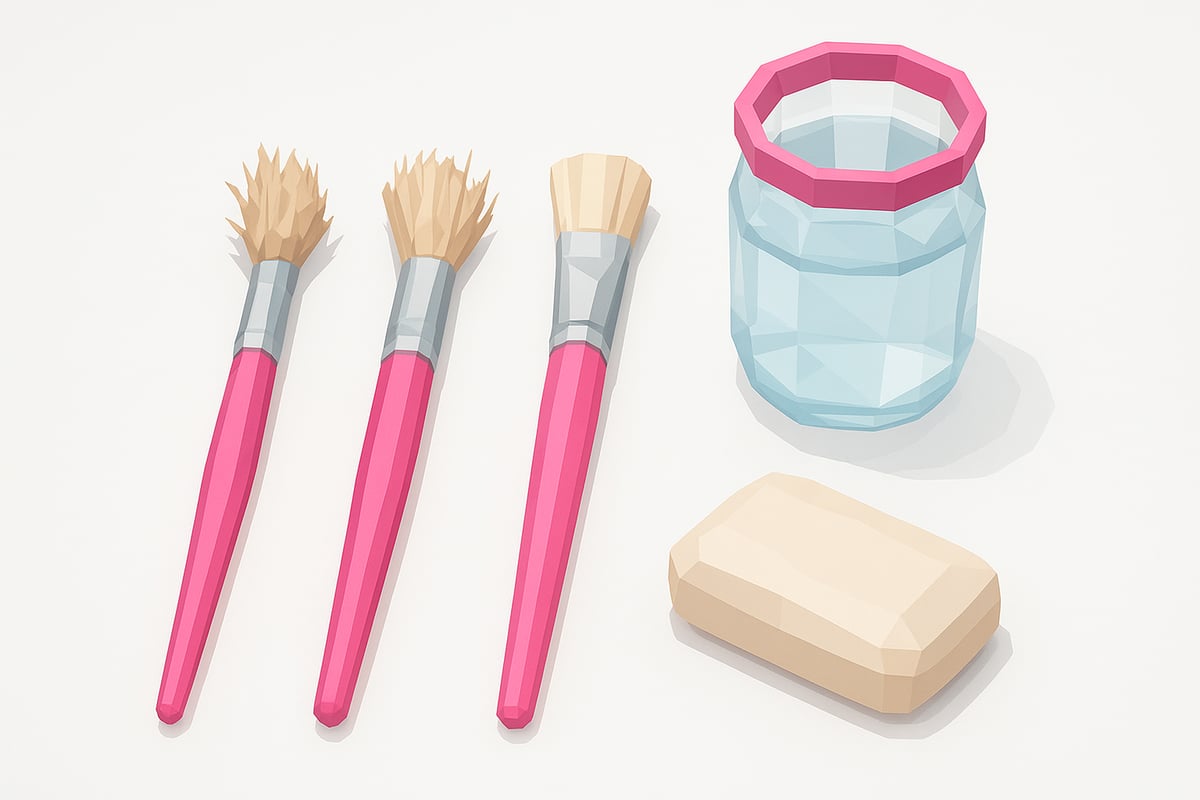
Some frequent mistakes include:
-
Using water that is too hot or too cold, which can deform the bristles.
-
Not cleaning the brush immediately after painting, causing the paint to dry and harden.
-
Scrubbing hard while washing, causing the tips to splay and lose precision.
-
Leaving the brushes submerged for too long, causing swelling or handle detachment.
-
Using abrasive products or unsuitable solvents, which deteriorate the material.
For example, drying a brush vertically causes water to run down into the handle and the bristles to lose their shape, resulting in splayed, tipless brushes. If you already have hardened bristles, you can try softening them with a warm water and conditioner soak.
Remember that 60% of beginner artists make at least one of these mistakes in their first year. For more details and practical tips on how to clean acrylic paint brushes and avoid these problems, you can check out this tutorial on how to clean your brushes without mistakes.
Conservation tips and expert tricks for acrylic brushes
Do you want your brushes to last much longer and always paint like new? The secret lies in consistency and knowing exactly how to clean acrylic paint brushes after each session. Here are the tricks that experts use to make their tools last for years.
-
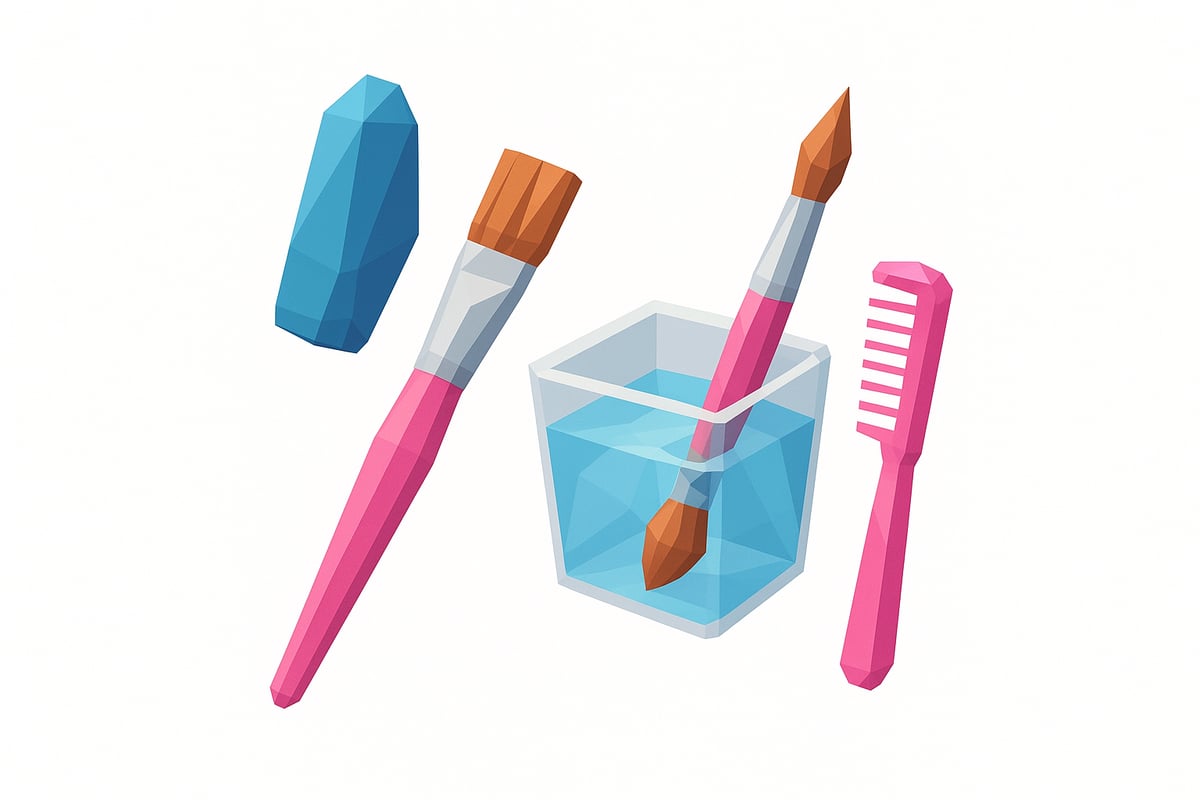
Use specific brush conditioners once a week to keep the bristles soft and flexible.
-
Comb the bristles with a special comb after each cleaning to prevent knots and tangles.
-
If you are going to paint for hours, alternate brushes to avoid deforming them through overuse.
-
Never use the same brush for acrylics, watercolors, and oils — each type of paint needs its own dedicated tool.
-
Store your clean brushes in cases or rigid holders to protect the shape of the bristles.
A professional weekly routine includes washing with mild soap, rinsing thoroughly, conditioning, and drying completely before storing them. If you notice the bristles are a little stiff, soak them for a few minutes in warm water with conditioner and gently comb through them.
Do you notice your brush no longer recovers its shape even with these tricks? That is a sign it is time to replace it. If you want to go deeper into how to clean acrylic paint brushes and preserve all your art materials, visit these Paint material conservation tips.
Frequently asked questions about cleaning acrylic paint brushes
Do you have questions about how to clean acrylic paint brushes? Here we answer the most common queries so you always paint with brushes in perfect condition. 🎨🖌️
-
How often should I clean them? If you paint daily, clean your brushes after each session to prevent the paint from drying out.
-
Can I use dish soap or laundry soap? A neutral soap is ideal. Some mild dish soaps work, but avoid harsh products.
-
What do I do if the paint has dried? Soak the bristles in warm water with a little conditioner and gently massage until the dried paint loosens.
-
What are the differences between natural and synthetic hair? Natural hair brushes require gentler soaps and conditioner, while synthetic ones are more resistant to water and soap.
-
Does cleaning affect durability? Absolutely! A good cleaning routine can double the lifespan of your brushes.
-
Can I use the same brushes for other techniques? It is not recommended — each technique leaves different residues and can damage the bristles.
-
What brands and products do you recommend? Look for specialist soaps and brush combs. More details at Tips for cleaning acrylic paint brushes.
-
Quick fix for forgotten brushes? If you left them with dried paint, try a warm bath with conditioner and gently comb the bristles.
That's how you take care of your tools like a pro! 😎
Resources and recommended products for brush care
Choosing good products for the care of your tools is essential if you want to master how to clean acrylic paint brushes and achieve flawless results. 🧼
Among the must-have basics are special brush soap, combs for detangling bristles, and drying holders. Conditioners help keep bristles soft and extend their lifespan.
Here is a list of recommended products:
-
Mild soap specifically for brushes.
-
Fine-bristle brush comb.
-
Bristle conditioner.
-
Horizontal drying holder or clip-style holder.
You can find these products at specialised art stores and online. If you are looking for quality options and want to discover more about the types and care for each brush, visit our Brushes for acrylic painting page where you will find real examples and useful tips.
Investing in quality accessories makes a difference. Compare prices and check other users' opinions before buying. Take advantage of packs or kits that usually include everything you need and don't forget to keep an eye out for offers and discounts.
Remember, preventive maintenance and the use of suitable products are key to making your brushes last longer and retain their precision.
Conclusion:
Now that you know how to clean acrylic paint brushes, your tools will last longer and your results will be incredible. If you want more details, check out these tips for cleaning acrylic paint brushes.
Visit our store to get the best products, join our Telegram group and subscribe to our Newsletter so you don't miss out on discounts and news.
✨¡Happy Printing! 🚀
Since you've made it this far, you're sure to be interested in continuing to learn and share tips to get the most out of your brushes and modelling materials. If you enjoy these topics and want to stay up to date with tips, news and exclusive offers, I invite you to join our community. There you can ask questions, share your queries, get discounts and connect with other 3D and painting enthusiasts. Don't paint alone — join the conversation and grow with us!
Join our Telegram!