









Guía Completa: Cómo Elegir el Filamento Adecuado para tu Impresora 3D 🎯
Descubre cómo elegir el filamento perfecto para tus proyectos de impresión 3D 🎯. Desde PLA y PETG hasta filamentos má...
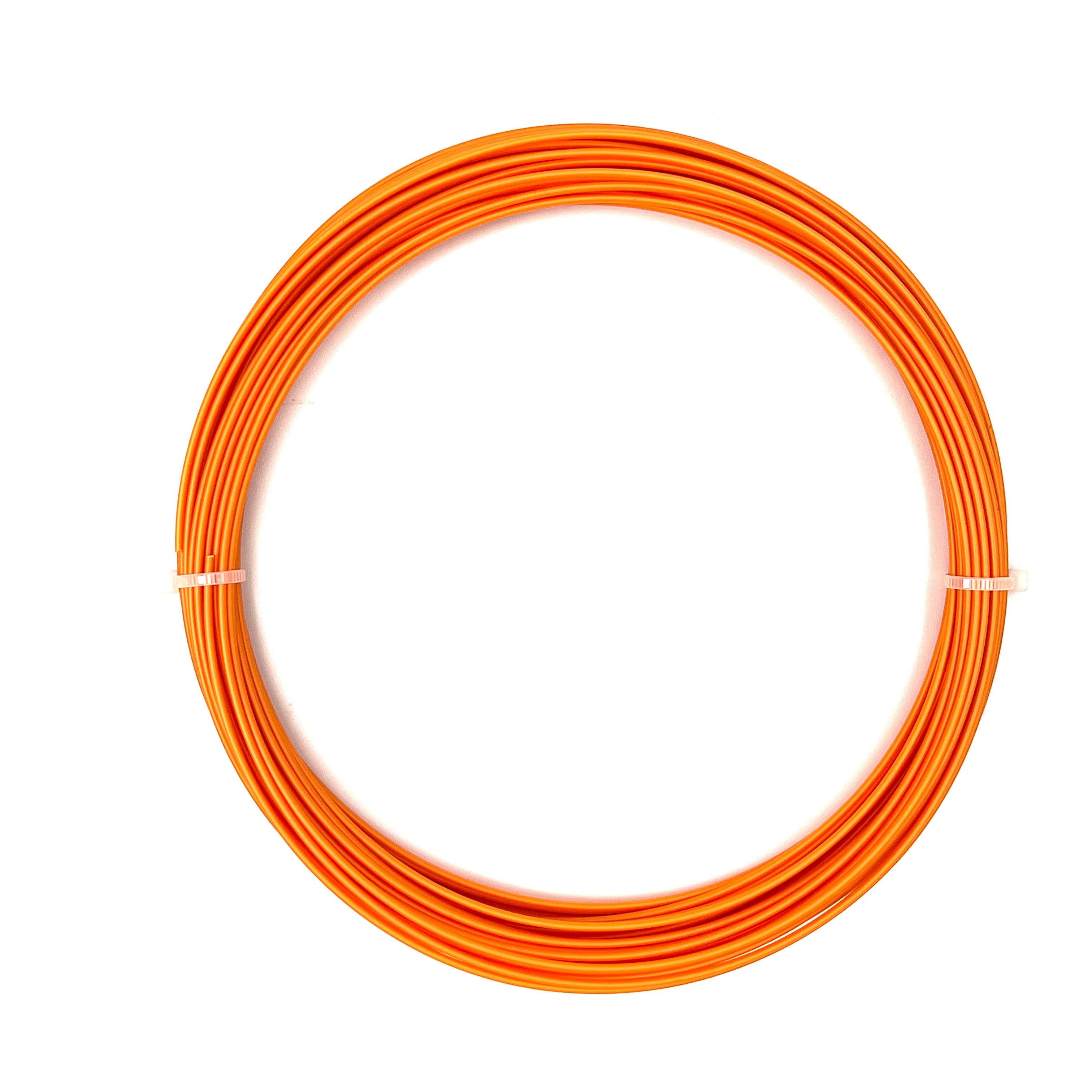
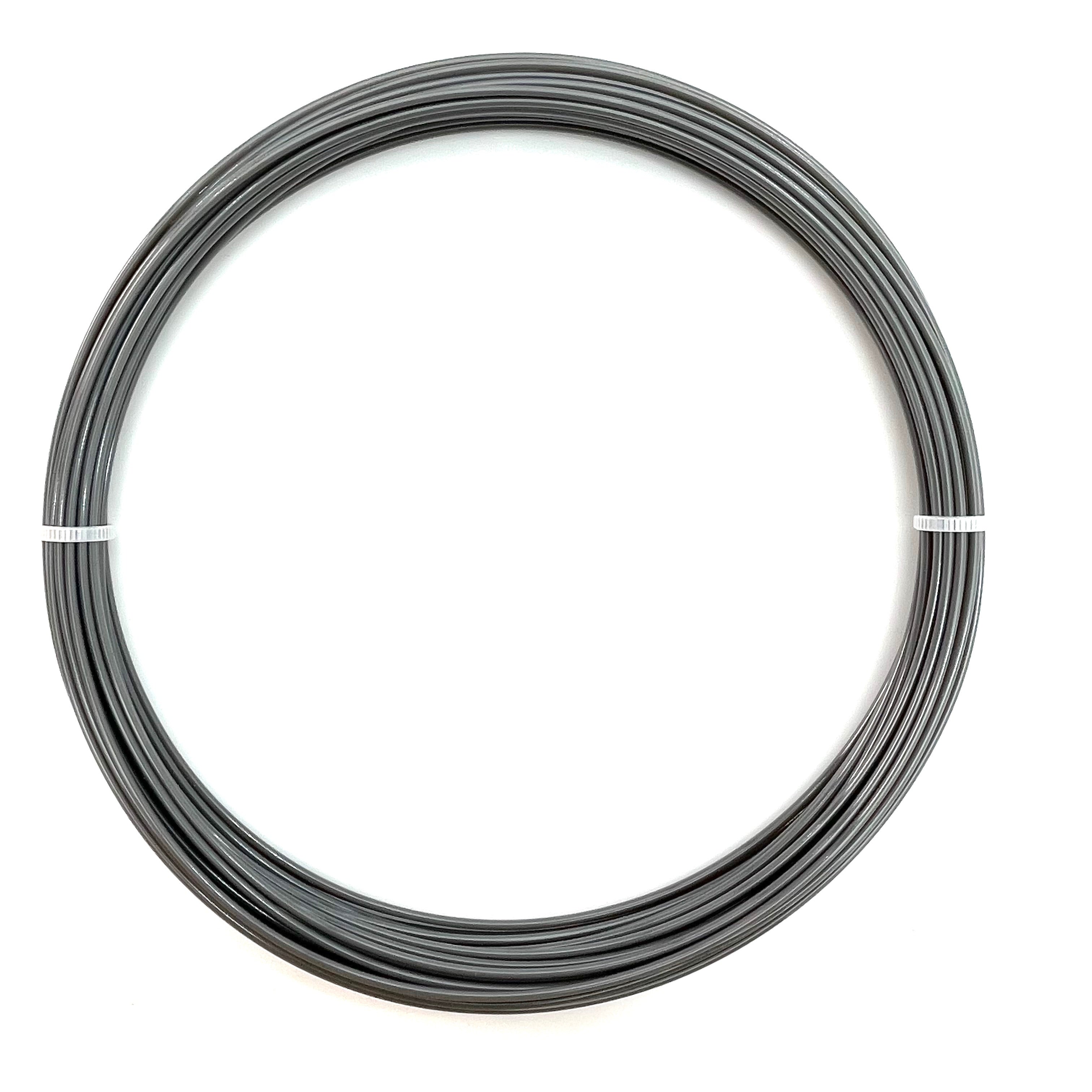
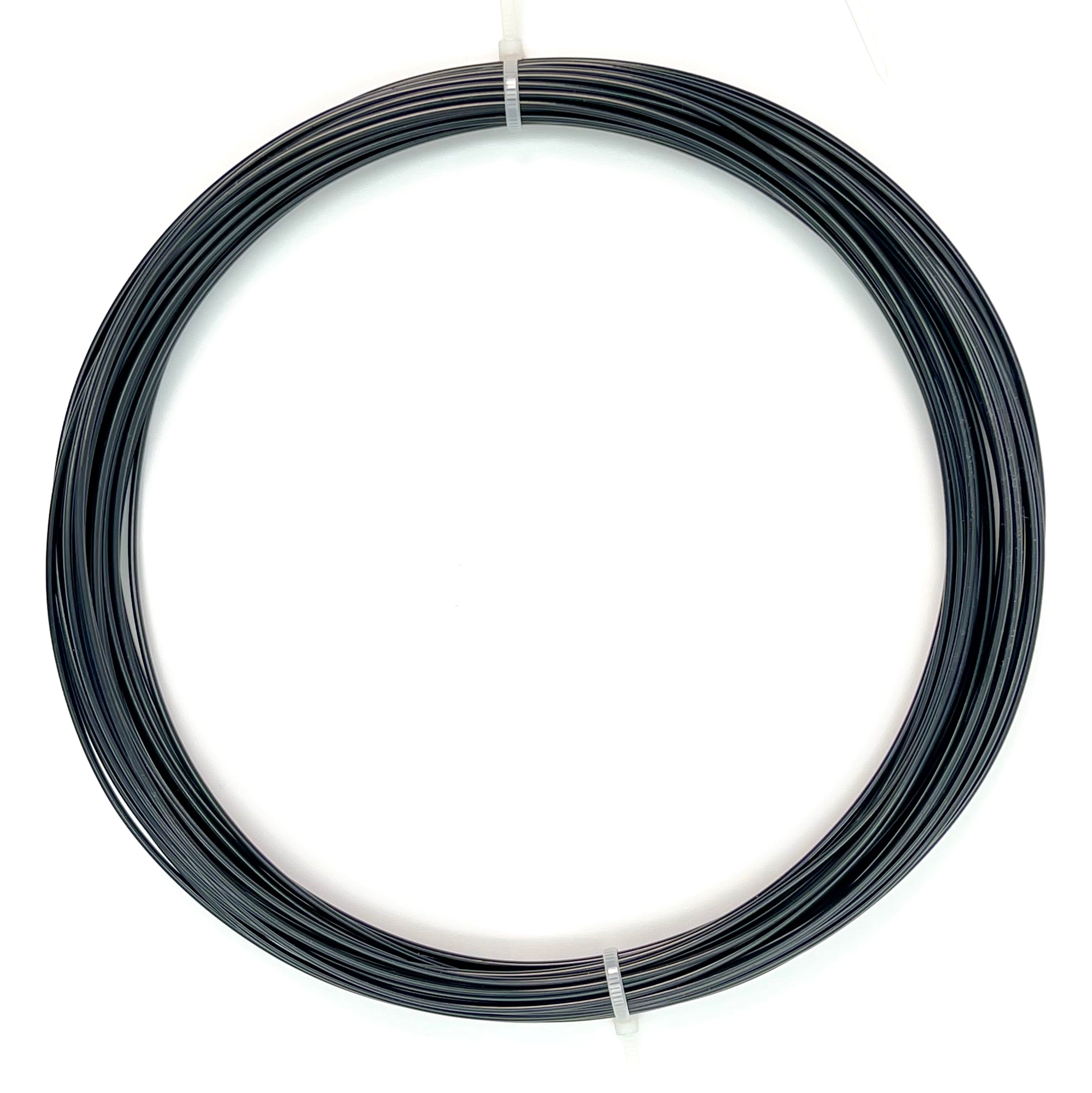
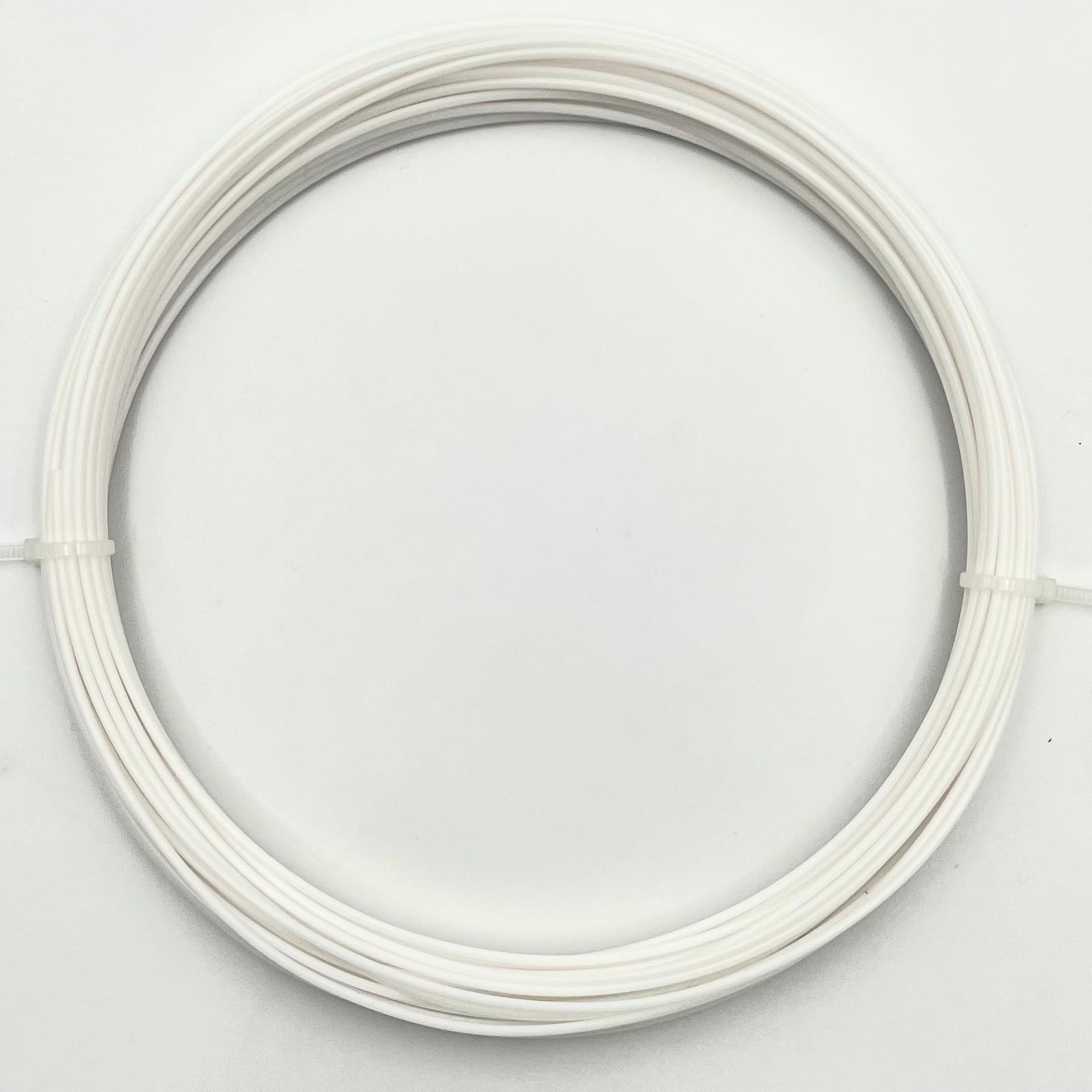
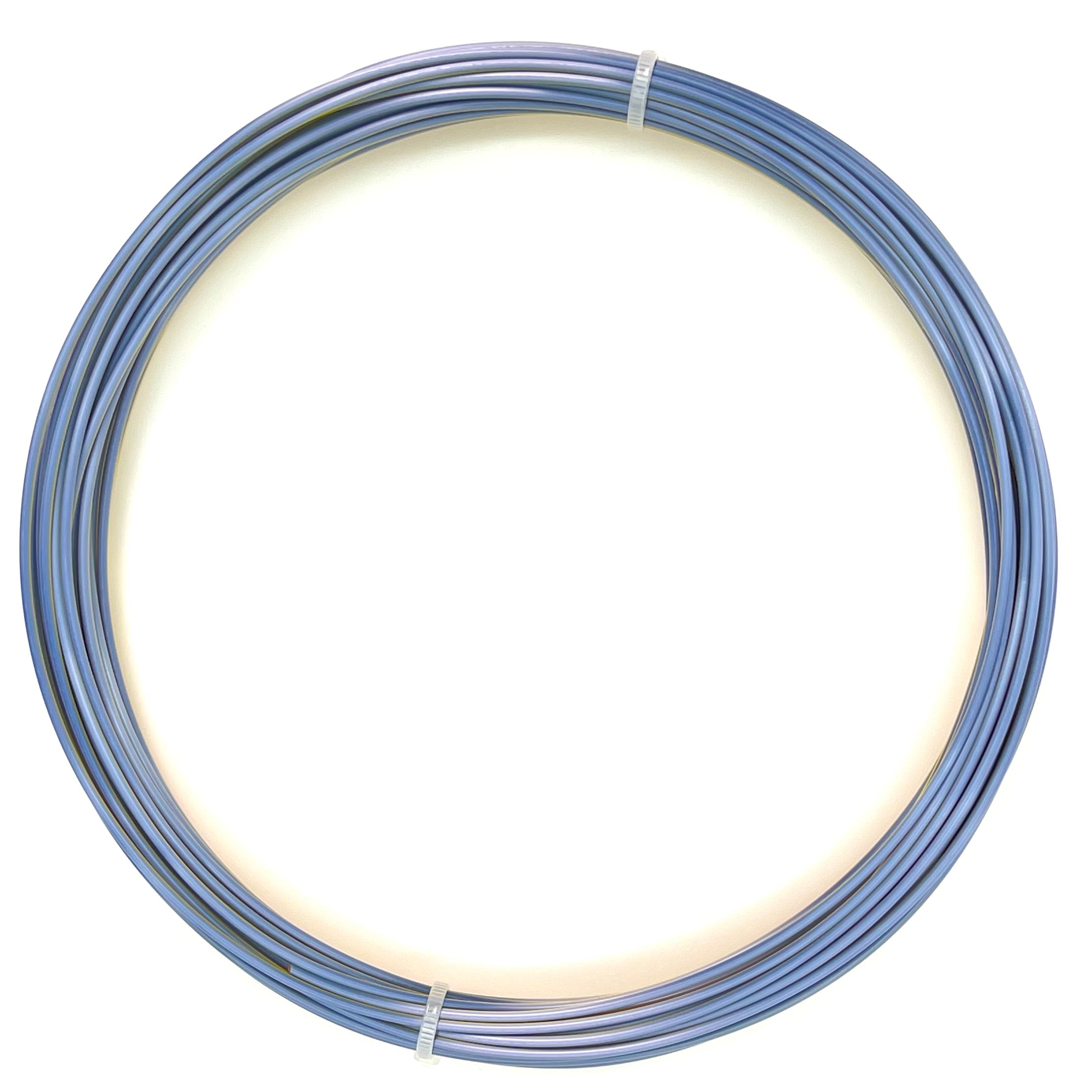
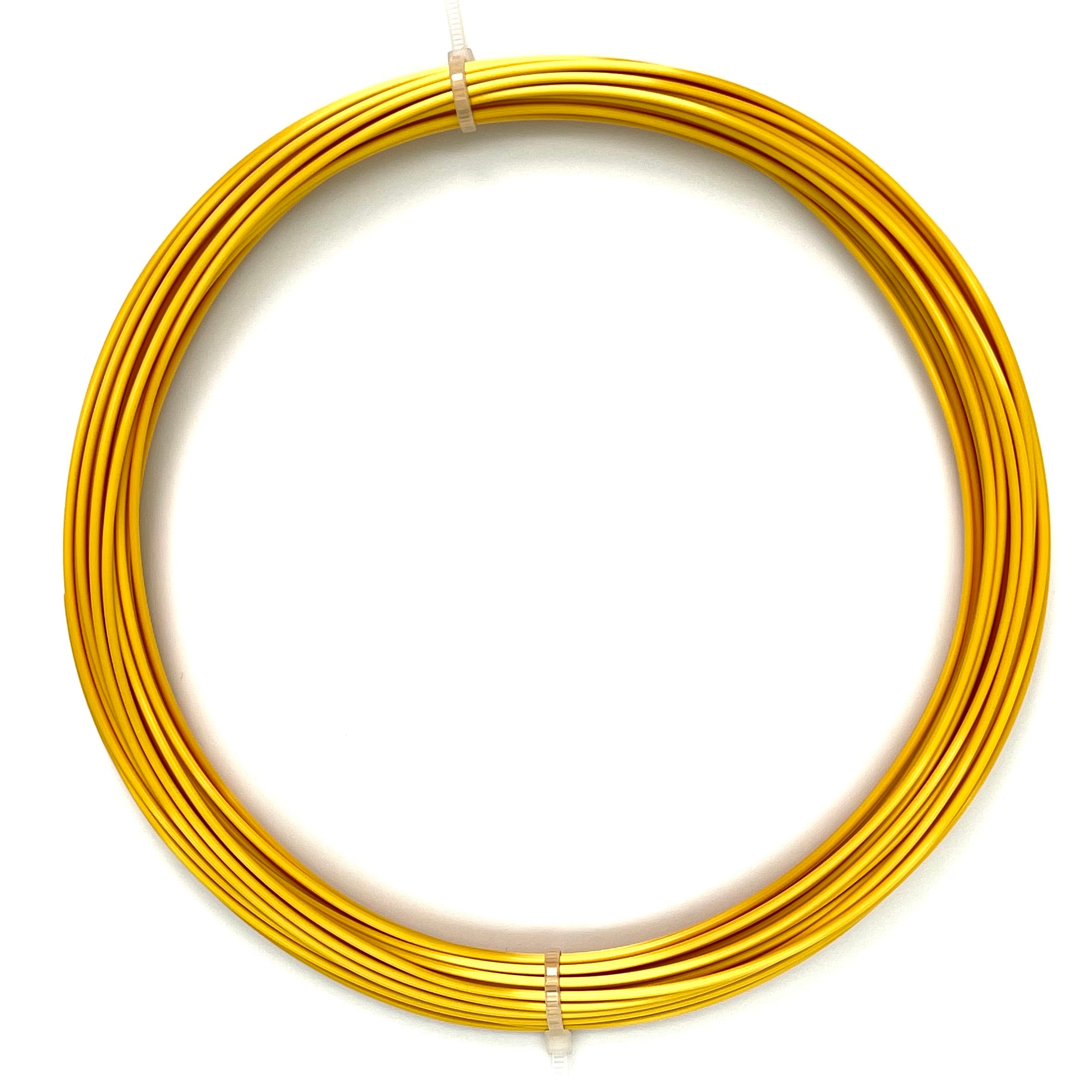
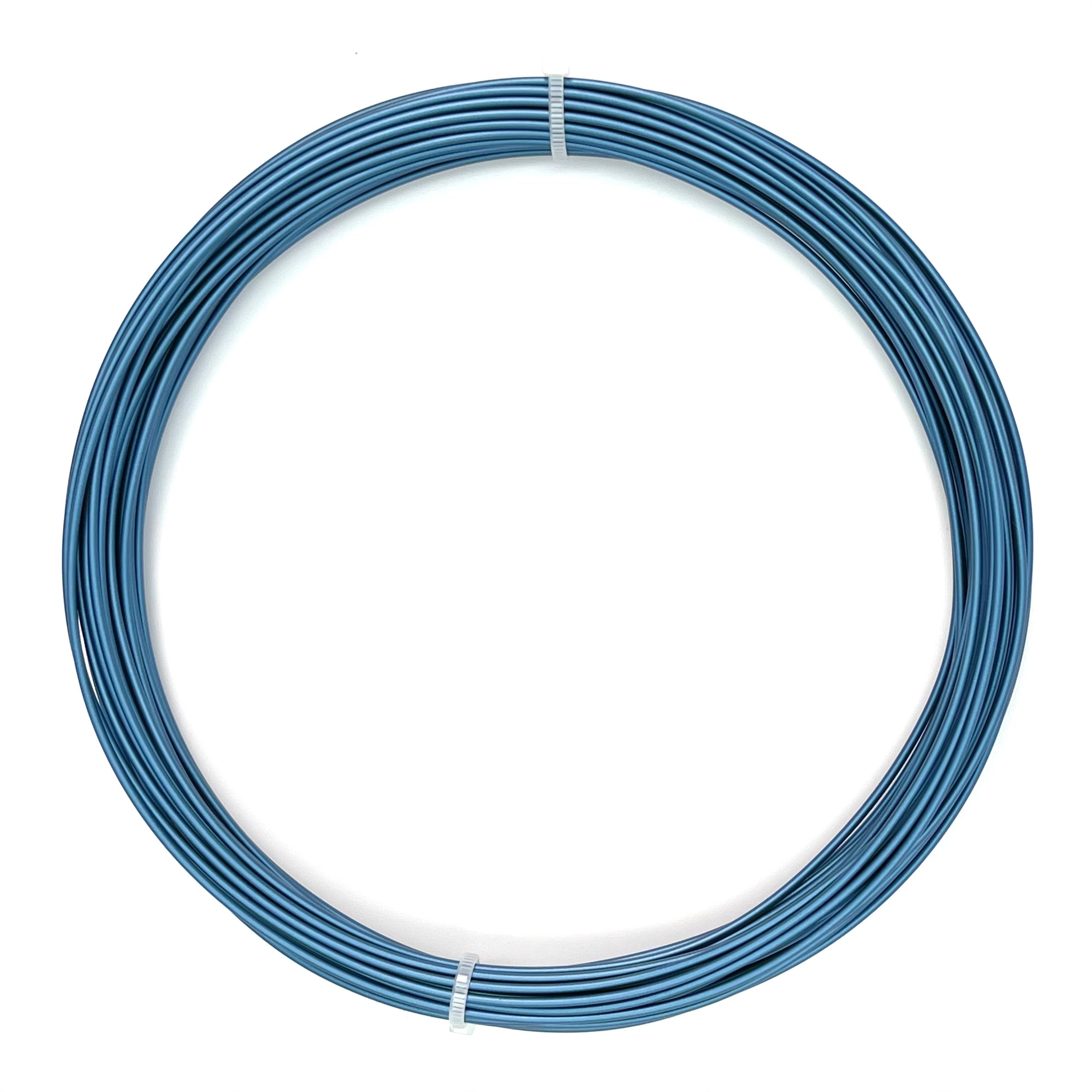
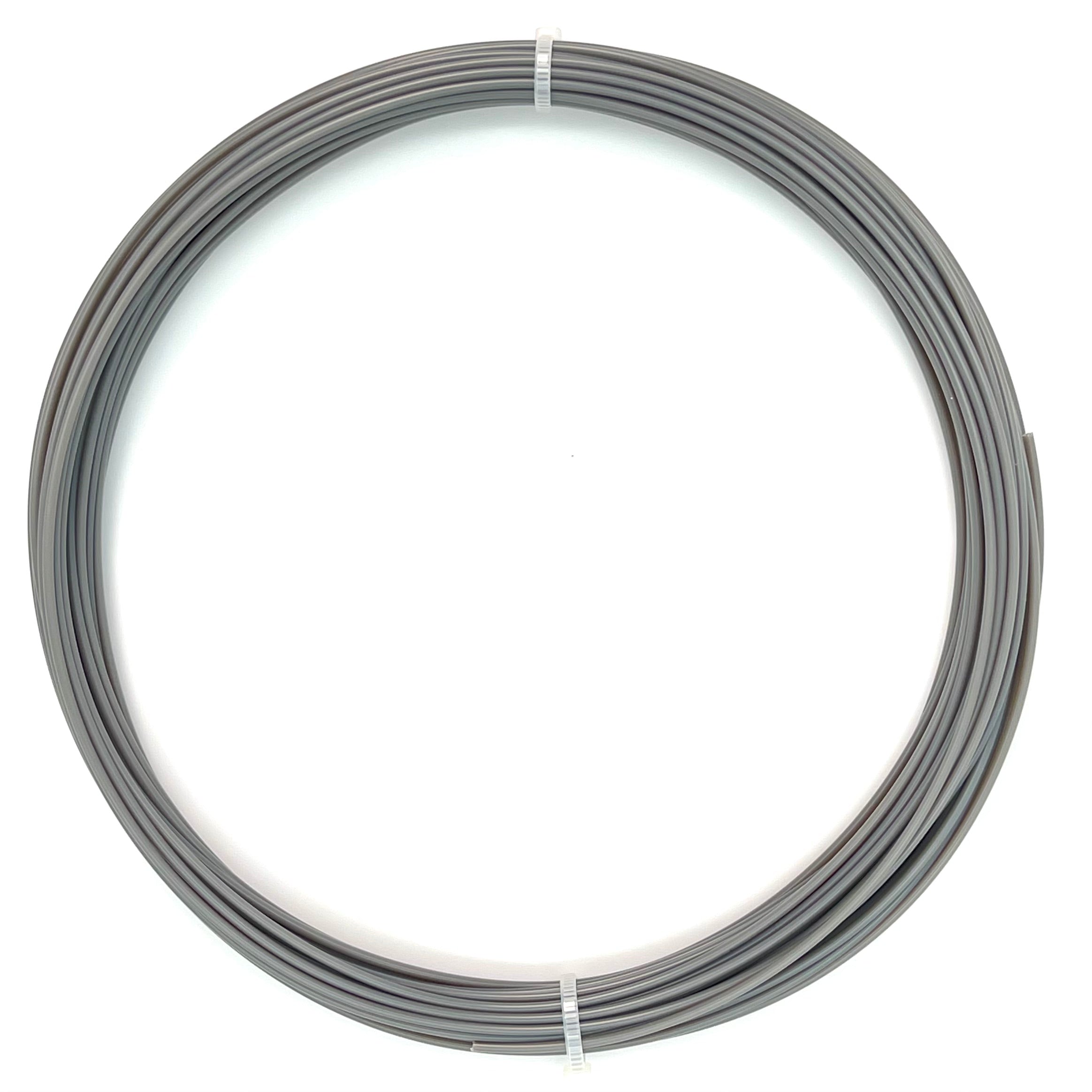
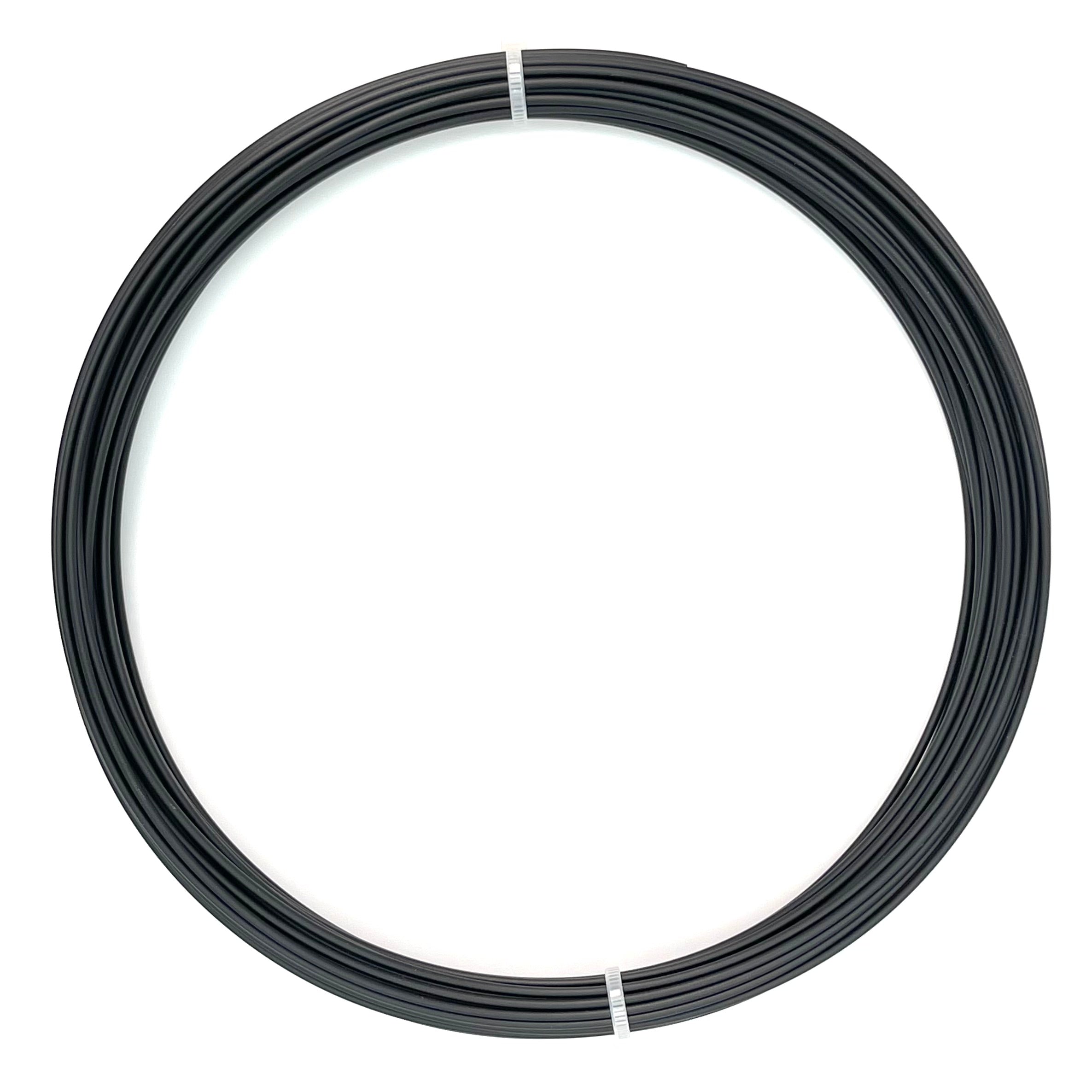
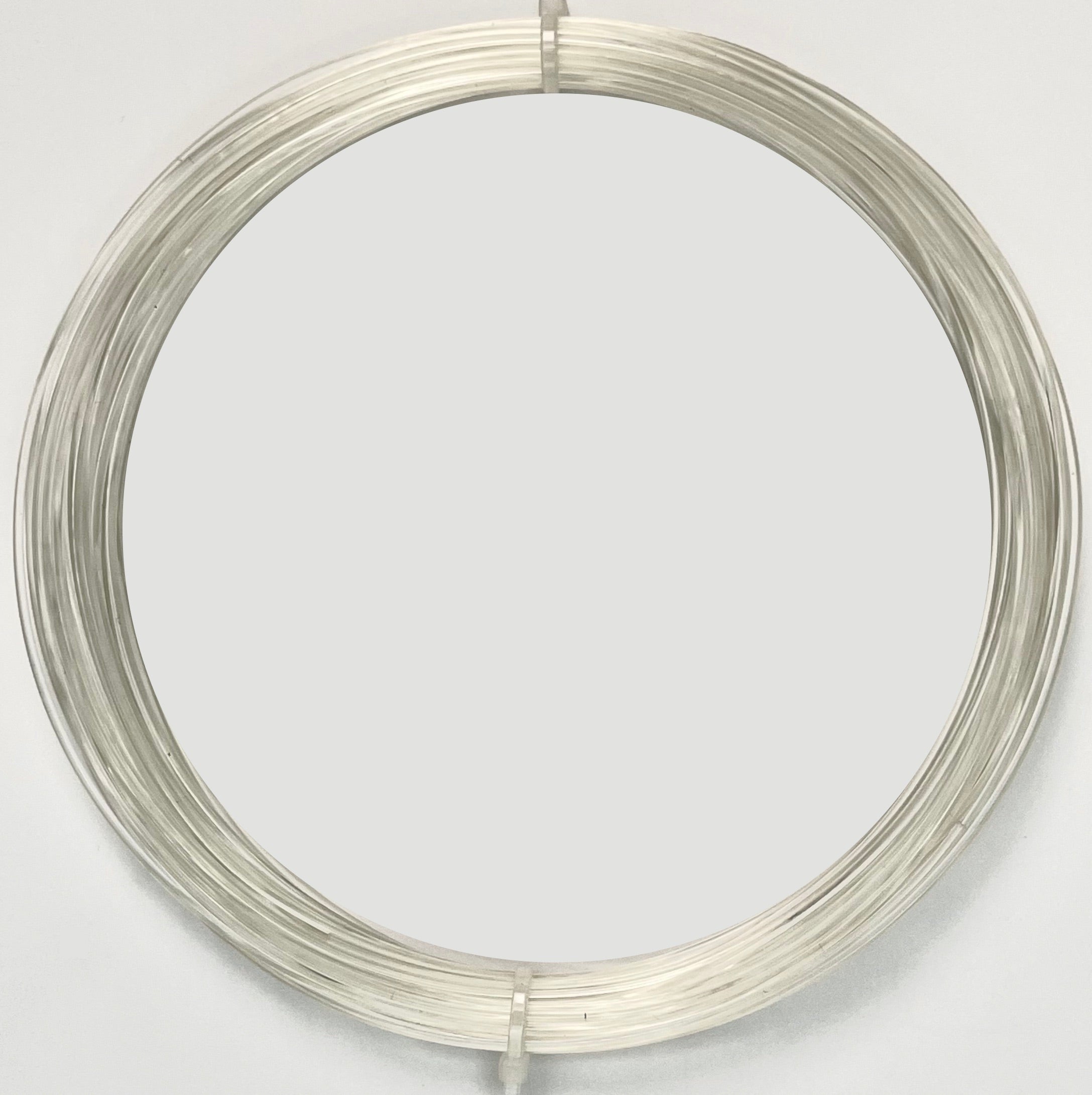
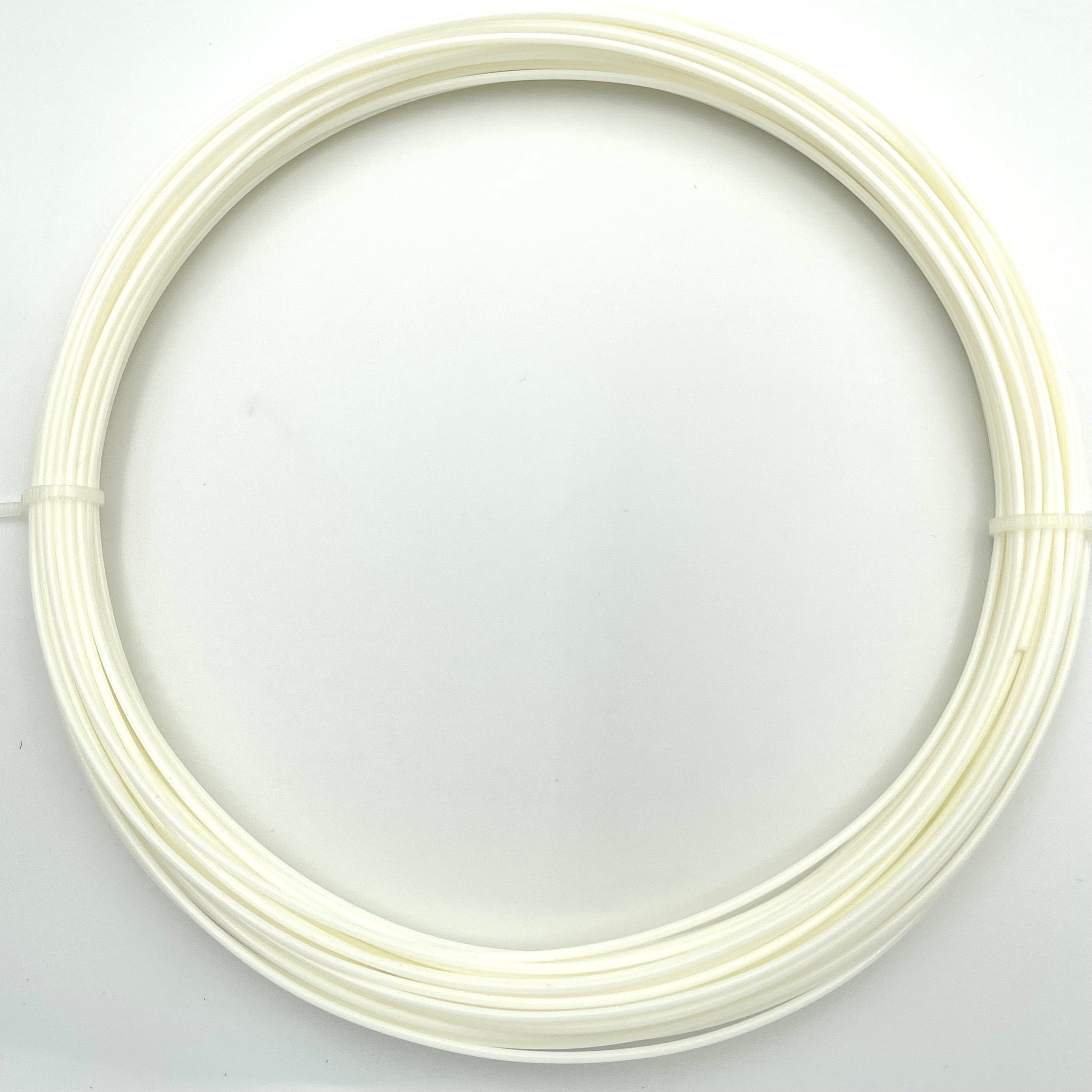
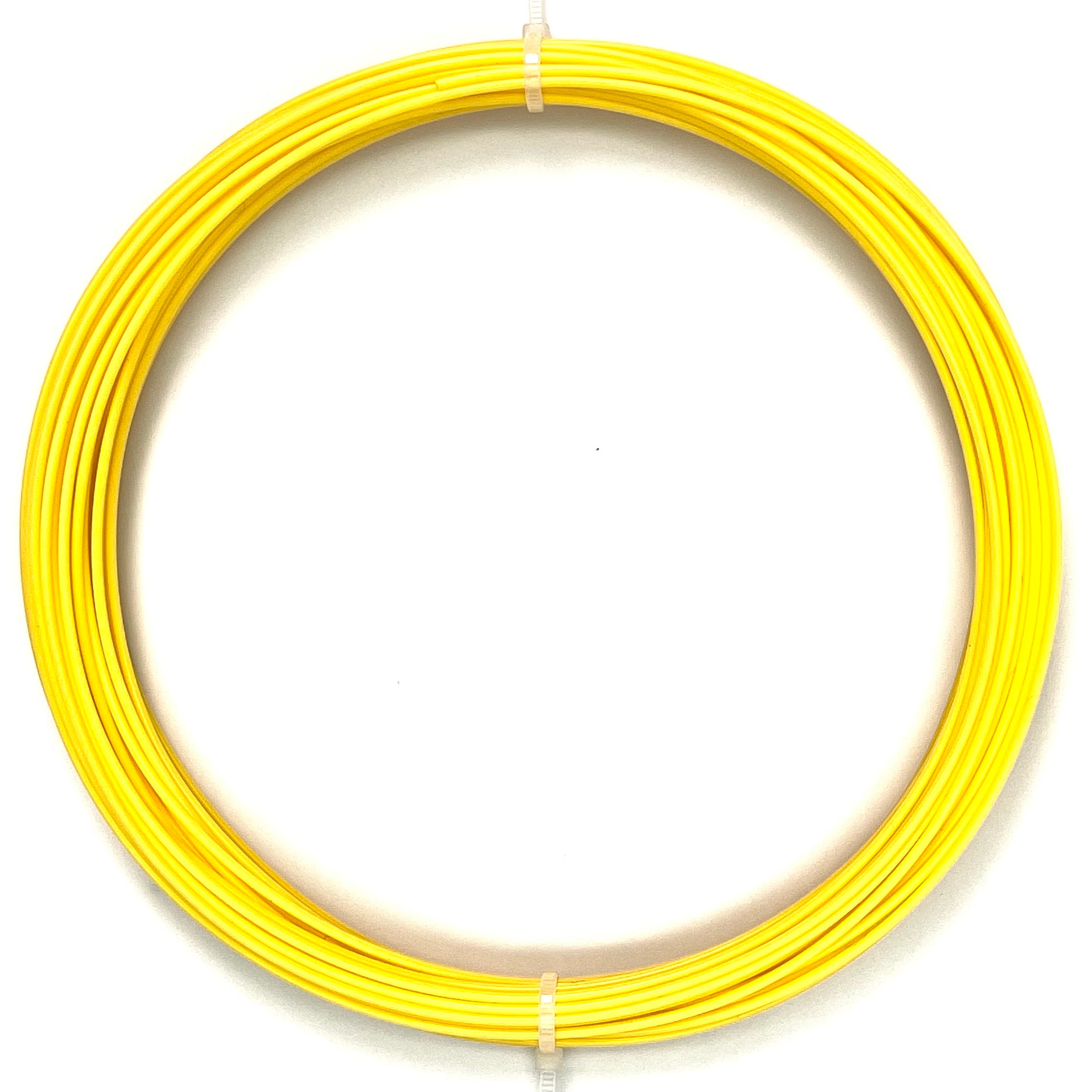
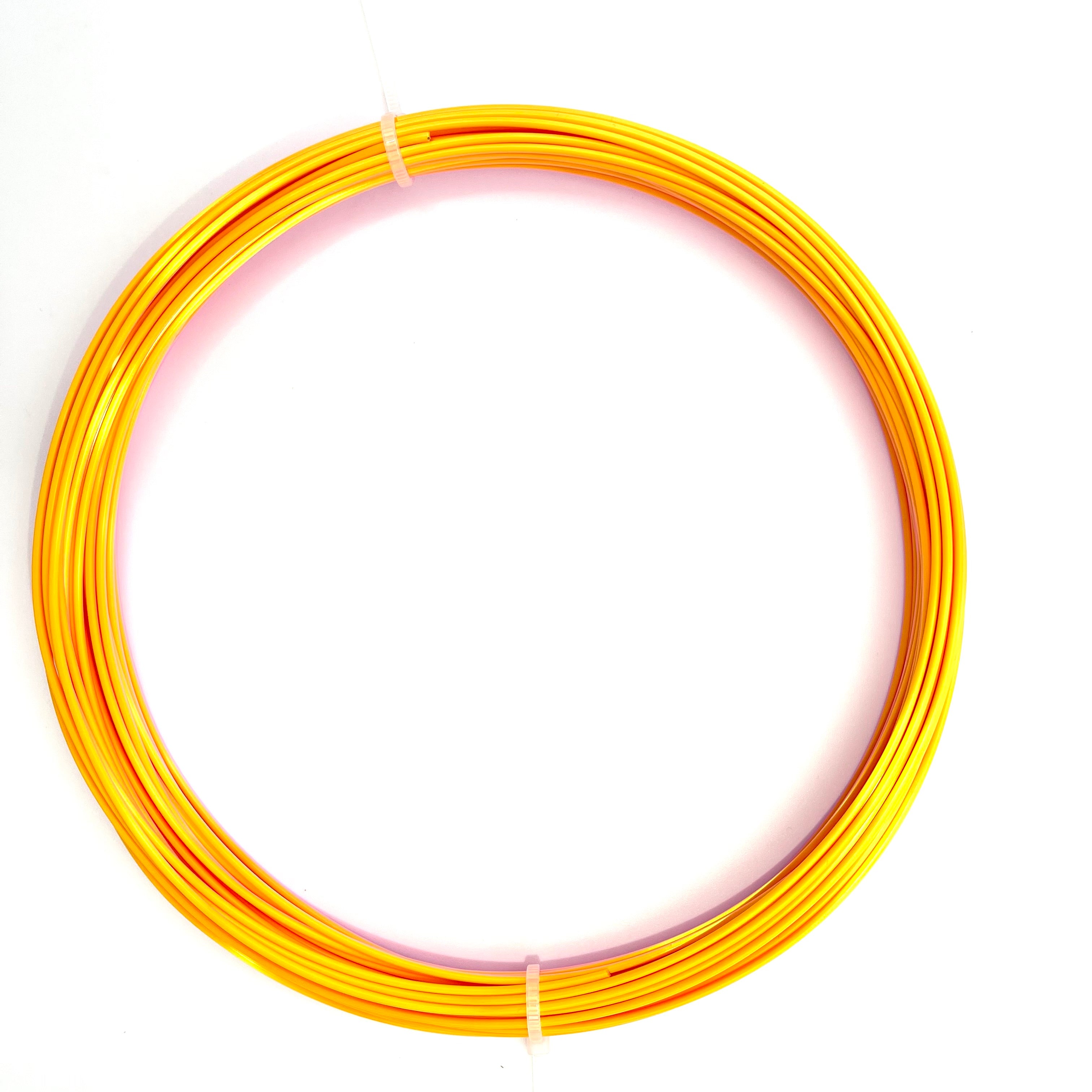
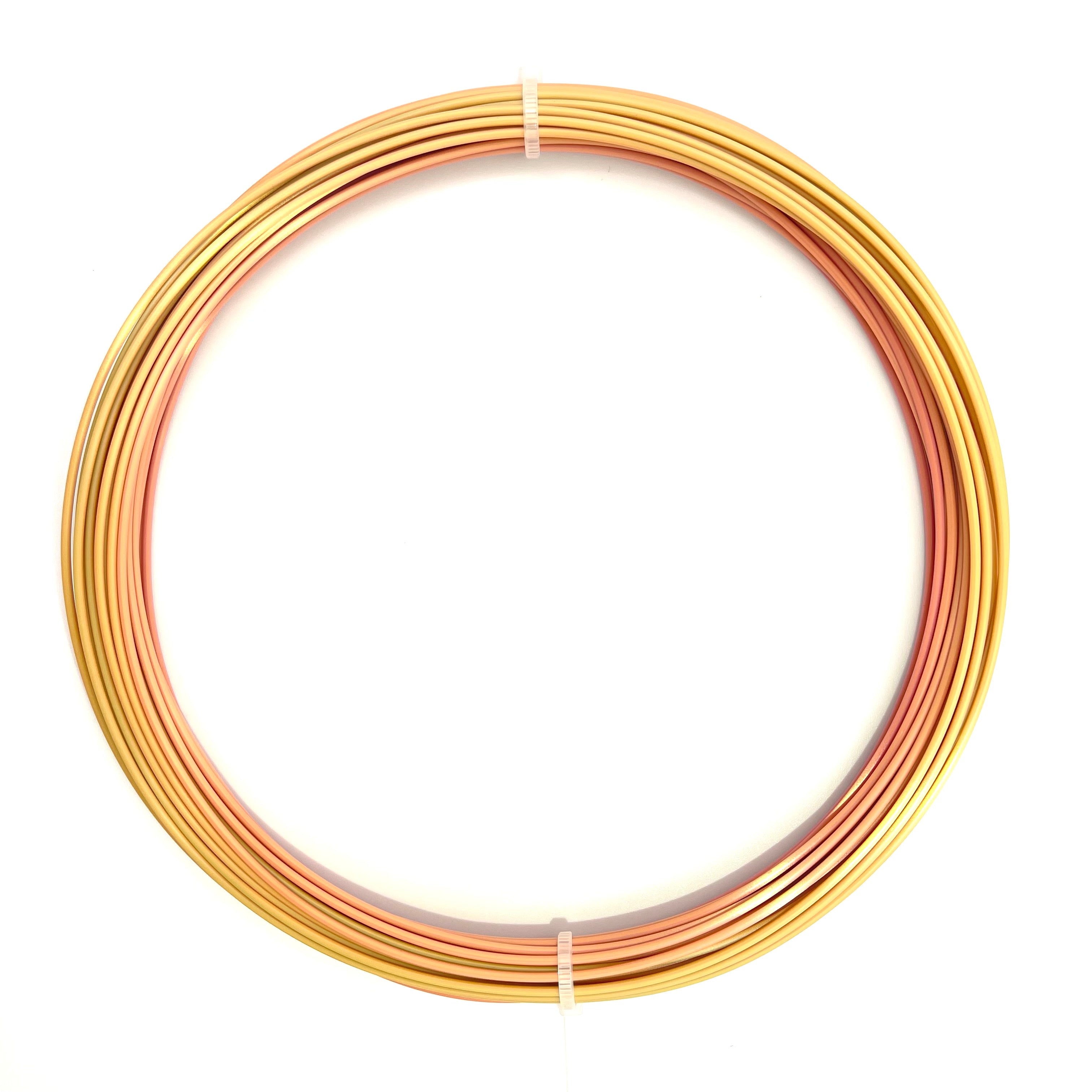
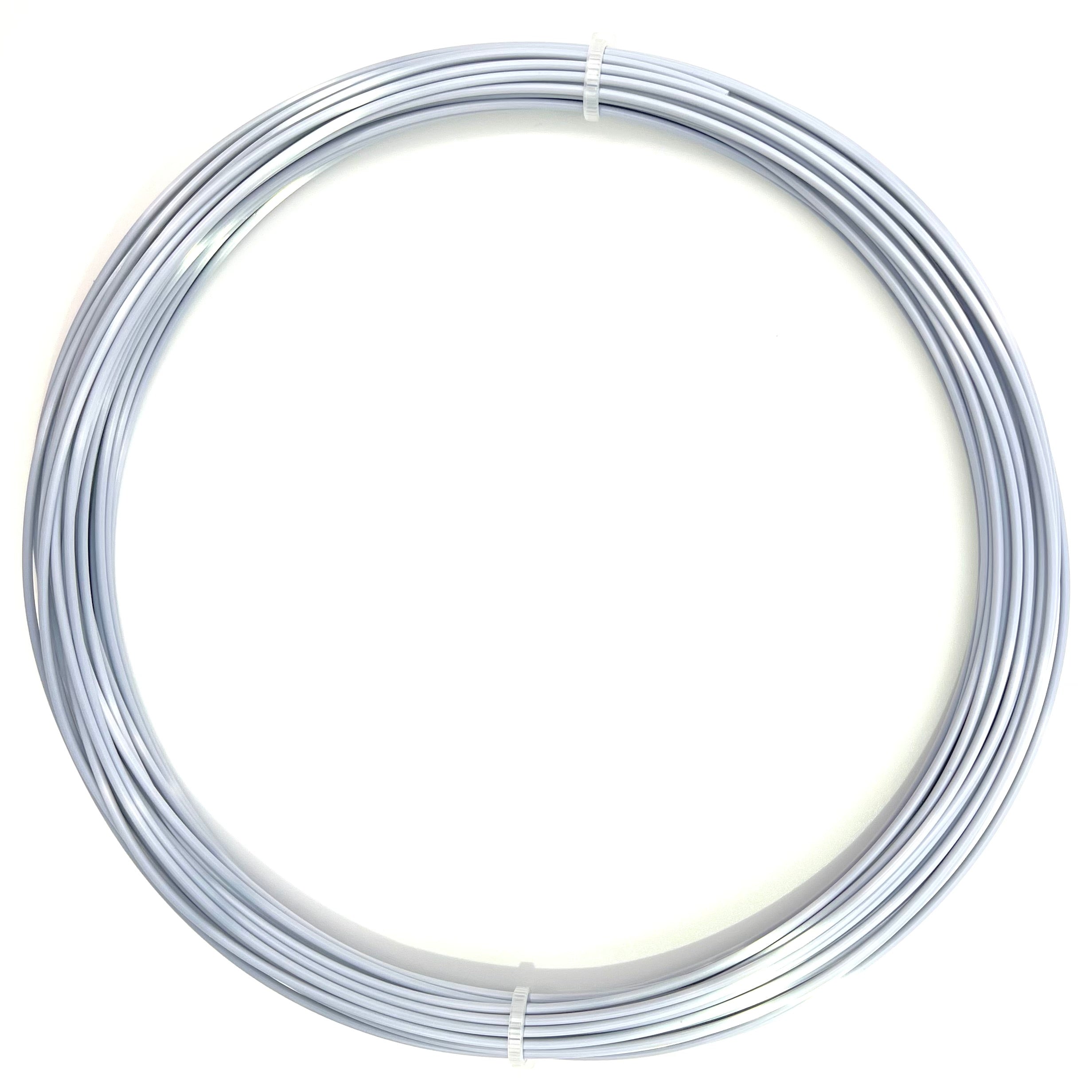
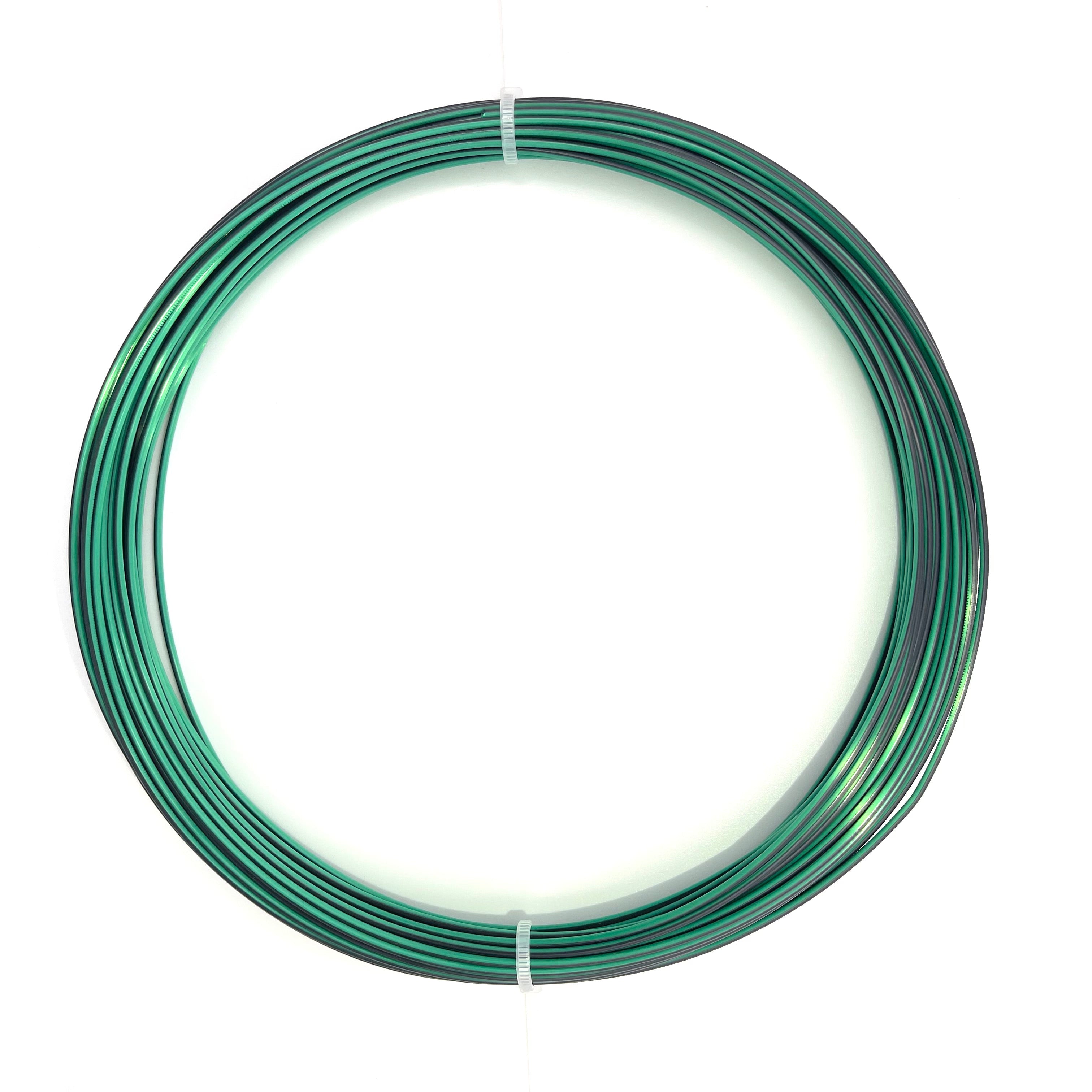
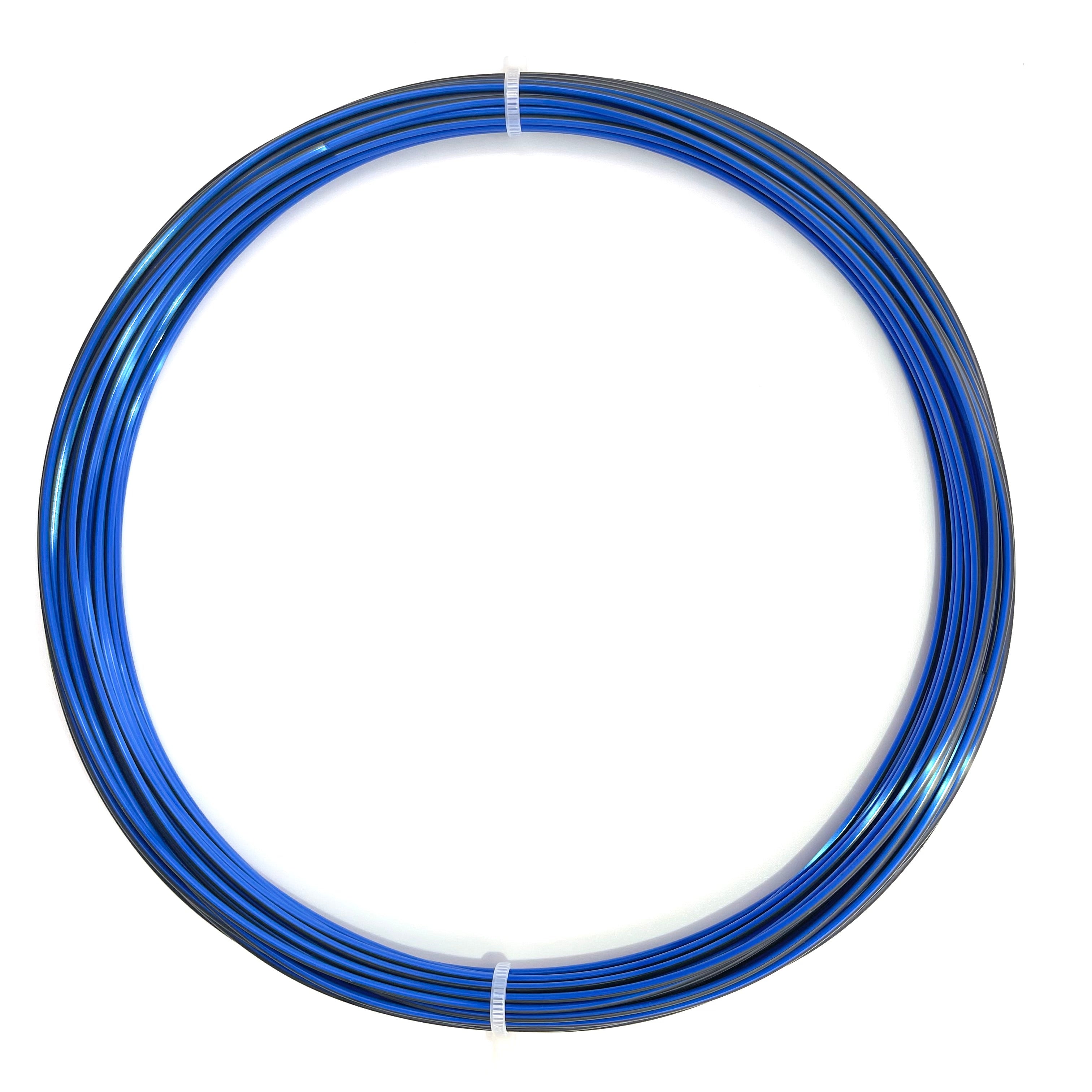
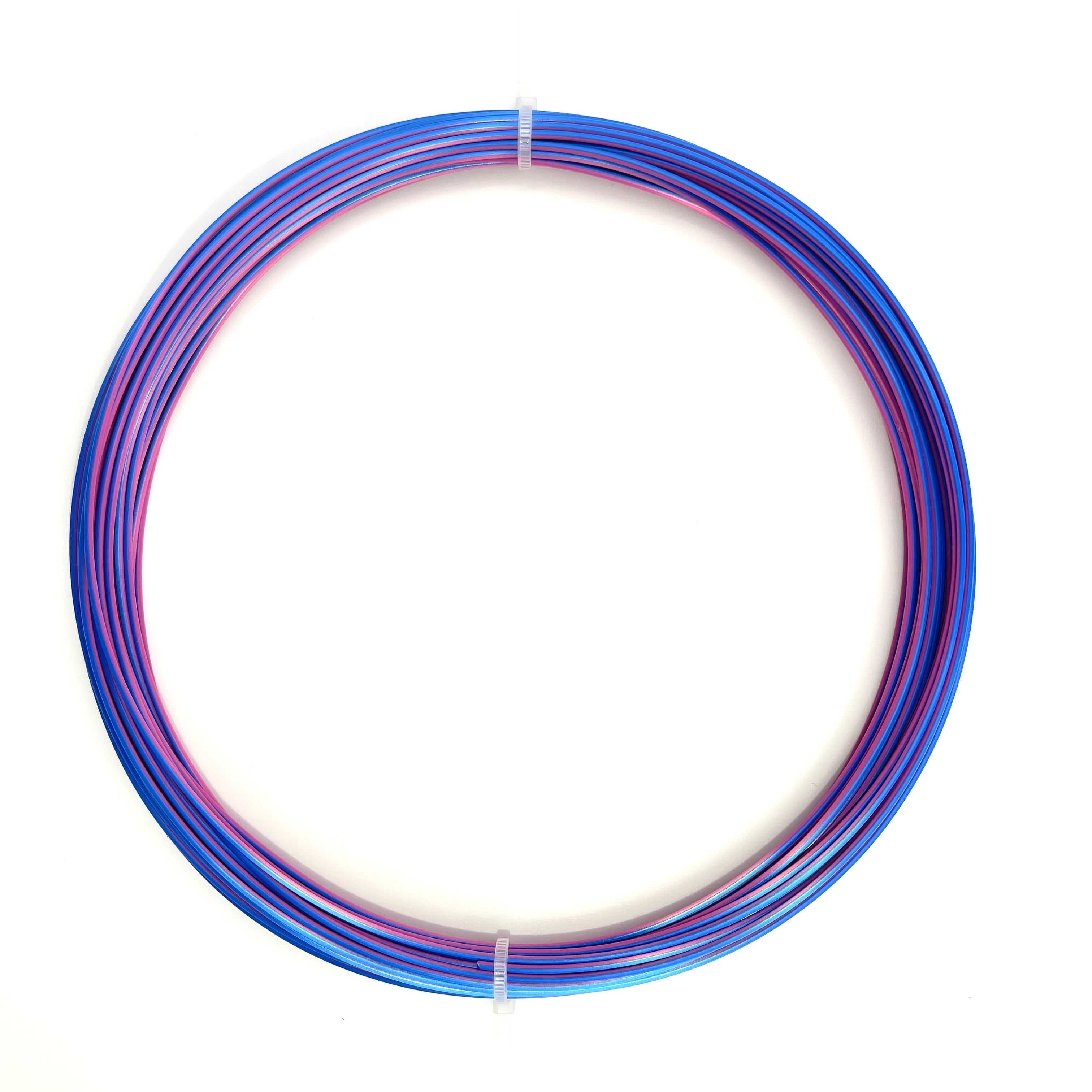
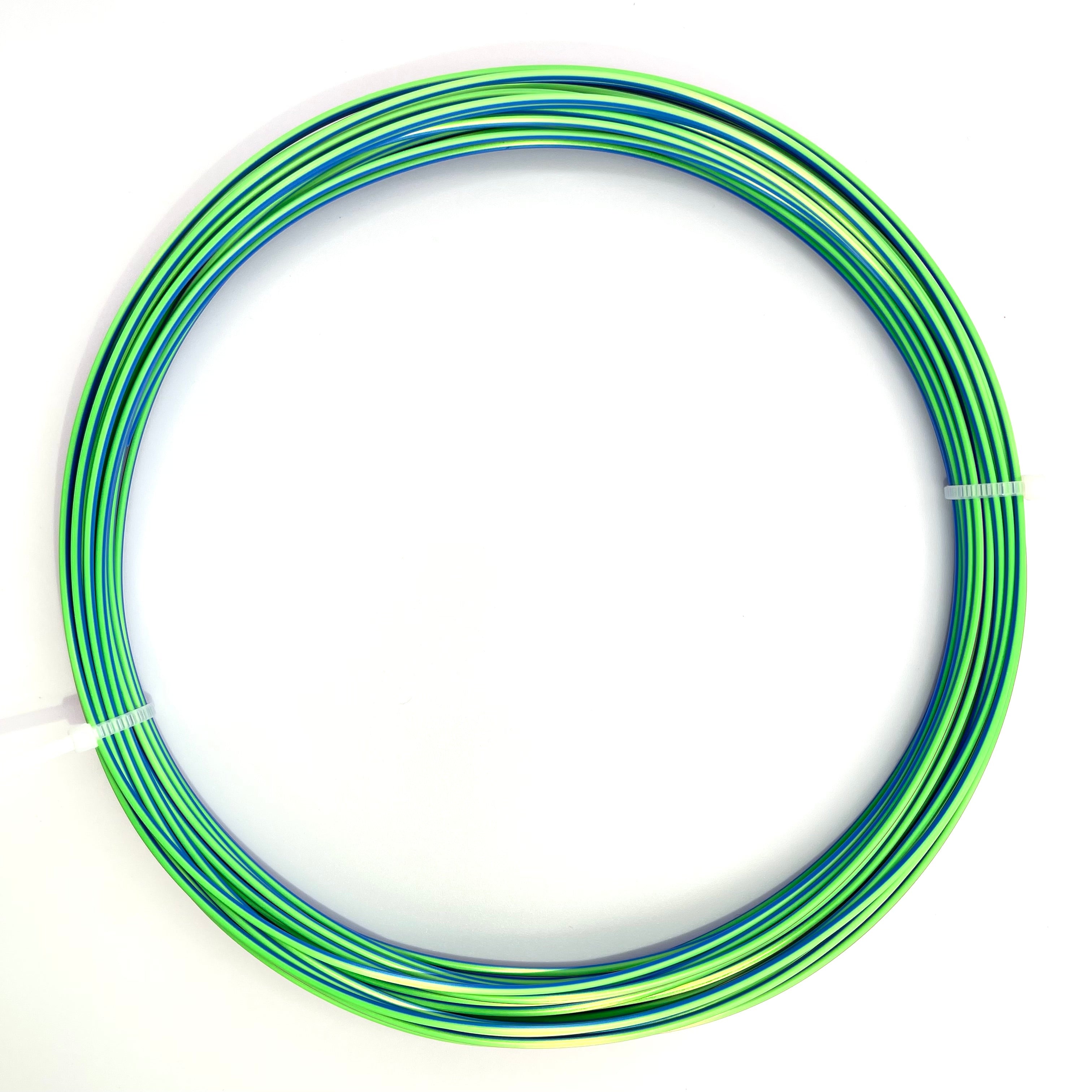
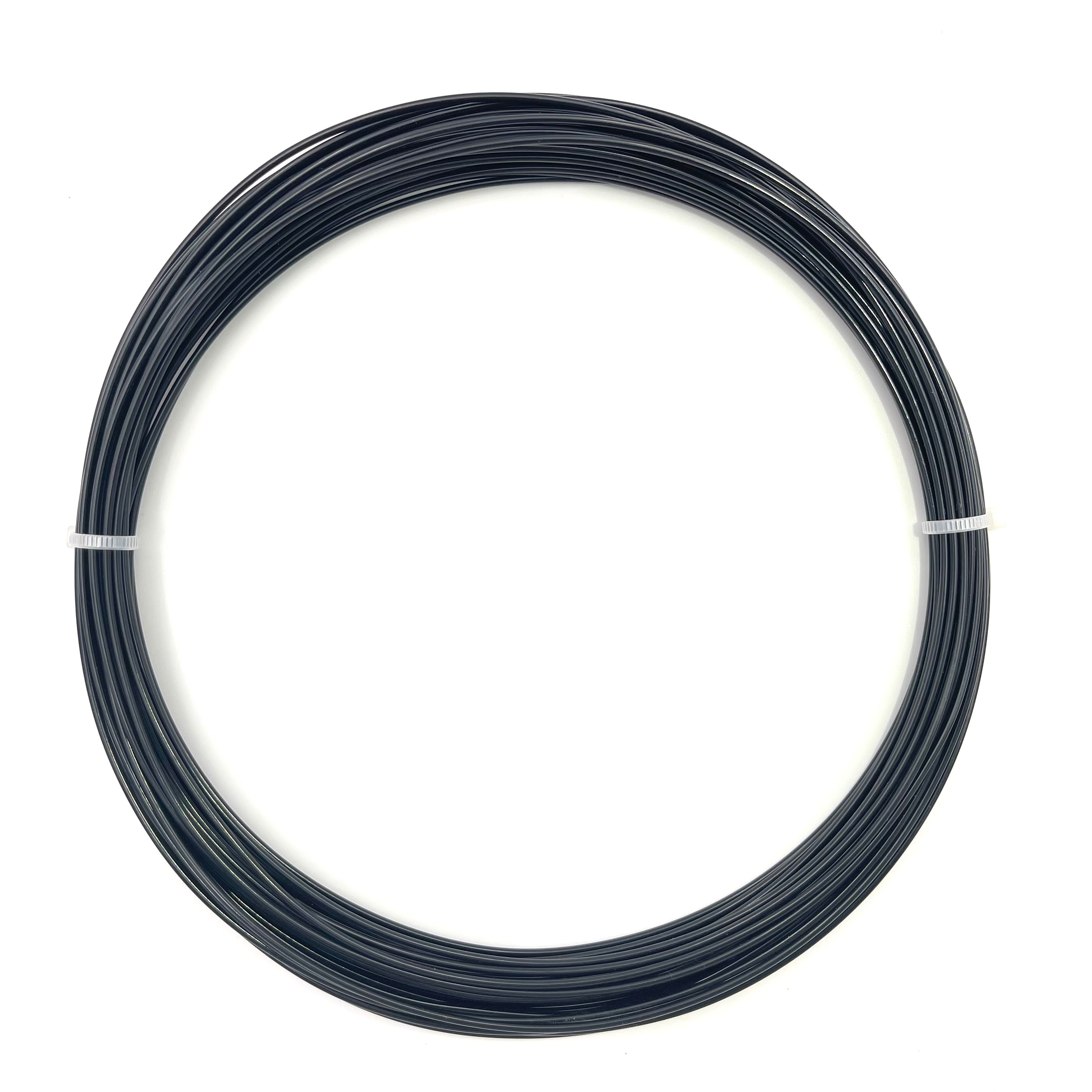
Here's every 1.75 mm filament we stock, most of it on 1 kg spools. Not sure where to start? Go for PLA: it's the easiest to print and the cheapest. If the part has to take knocks, heat or life outdoors, step up to PETG or our technical filaments. And if you need something that bends, have a look at flexible TPU.
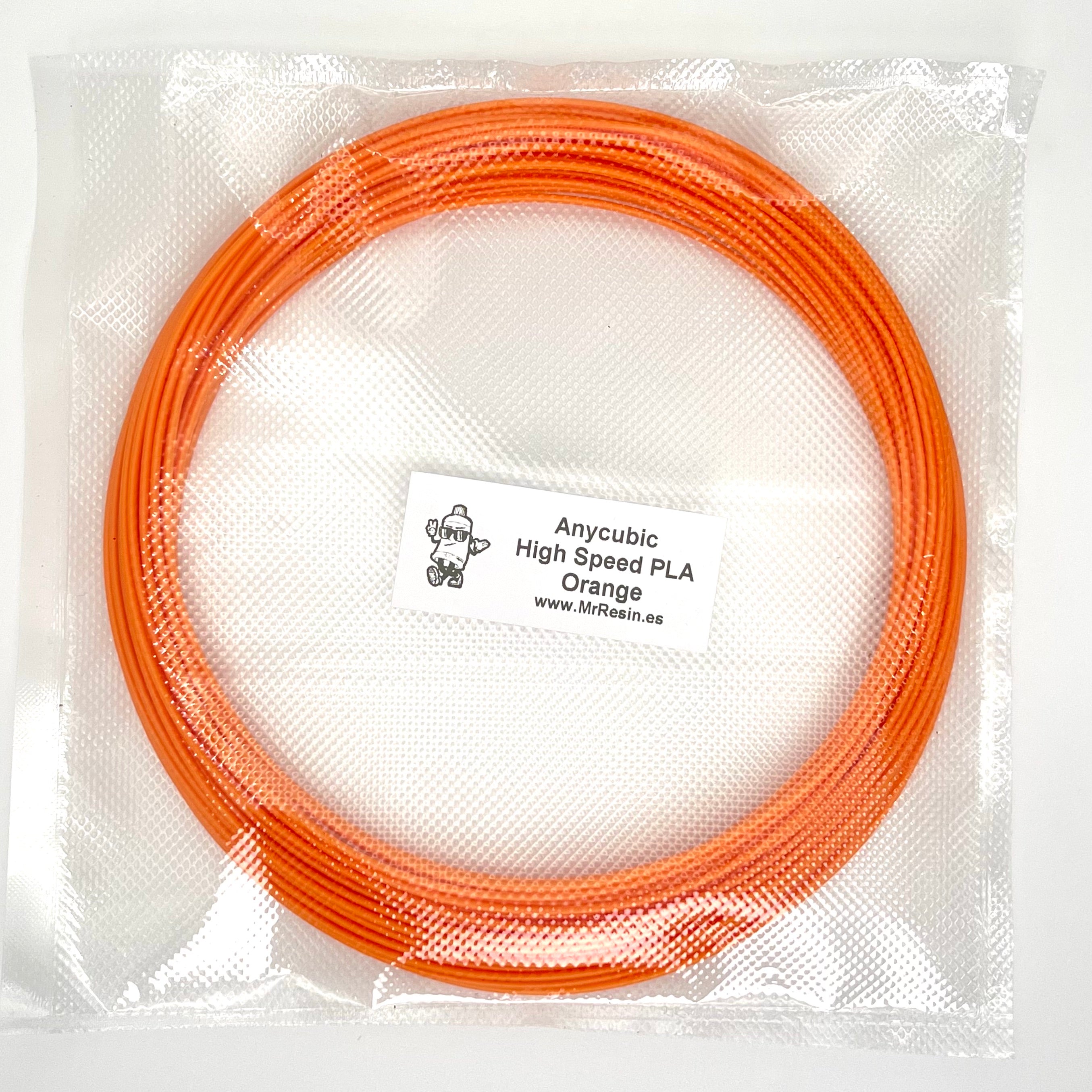


| Material | 1 kg spool | Best for | Difficulty |
|---|---|---|---|
| PLA and PLA+ | €13 - 18 | Figures, decorations, prototypes | Very easy |
| Silk and effects | €18 - 23 | Decorative pieces with a special finish | Very easy |
| PETG | €13 - 15 | Functional parts, some heat and moisture | Easy |
| Flexible TPU | €23 - 30 | Cases, seals, parts that bend | Medium |
| ASA and ABS | €16 - 22 | Outdoors, sun and heat | Medium (better enclosed) |
| Carbon fibre | €21 - 25 | Stiff, lightweight parts | Medium (hardened nozzle) |
| Polycarbonate (PC) | €30 | High heat and impacts | Hard (enclosed printer) |
| Engineering: nylon-CF, PEI, PEEK… | €36 - 470 (0.5-1 kg spools) | Industrial use, high temperatures | Advanced (high-temperature printer) |

Keep your filament dry
Why buy your filament from Mr Resin
PLA. It gives you the fewest problems and it's the cheapest. Once you've got your printer dialled in, try PETG.
A 1 kg spool of PLA is around €13-16. PETG is about €13-15, effect filaments (silk, marble, metallic) €18-23, TPU €23-30, ASA and ABS around €16-22 and carbon fibre blends around €21-25.
It depends on the size and infill, but a 10 cm figure usually uses between 20 and 50 g. Your slicer tells you the exact weight before you print.
Almost every current printer uses 1.75 mm, which is what we sell. 2.85 mm is only used by a few specific machines, such as some Ultimaker models.
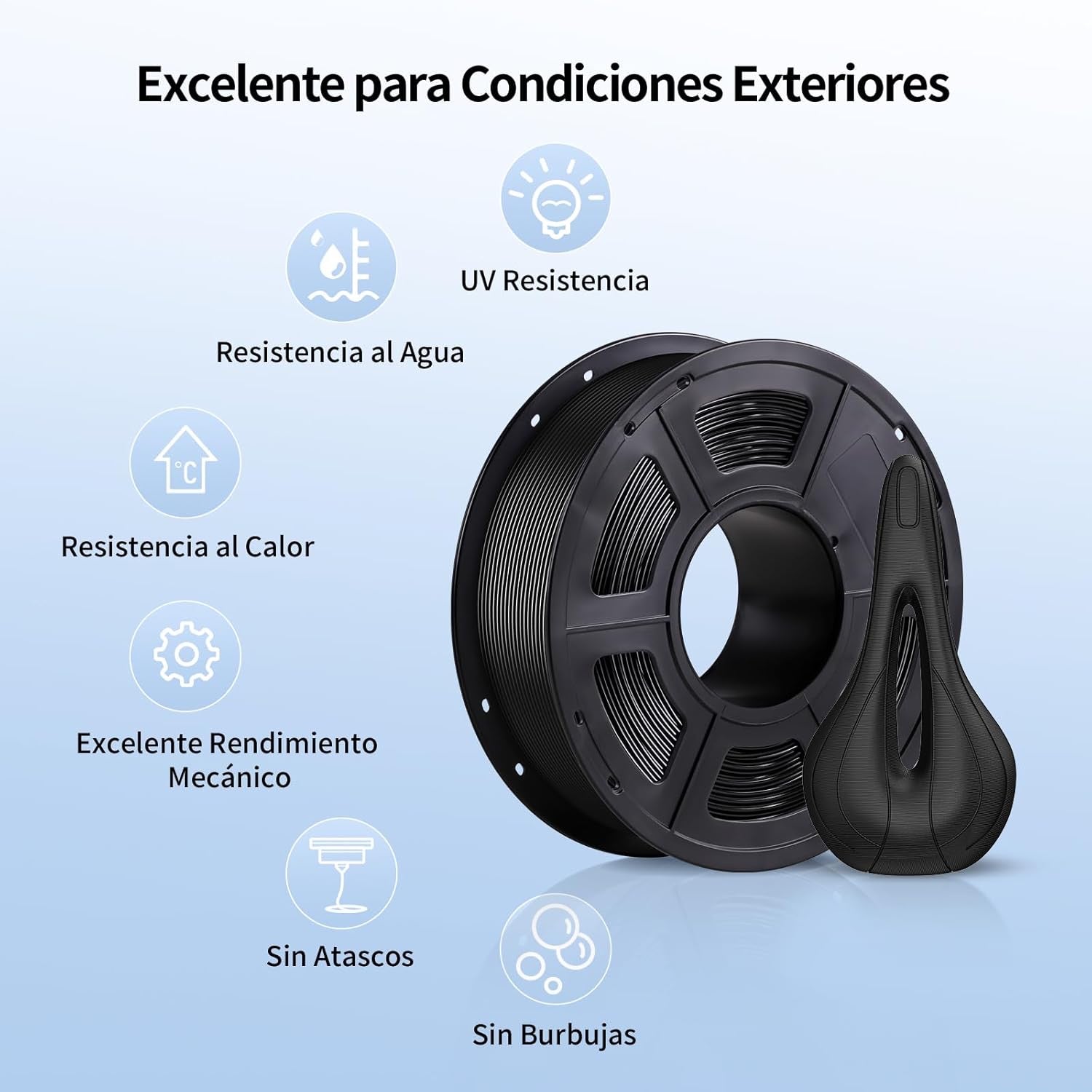
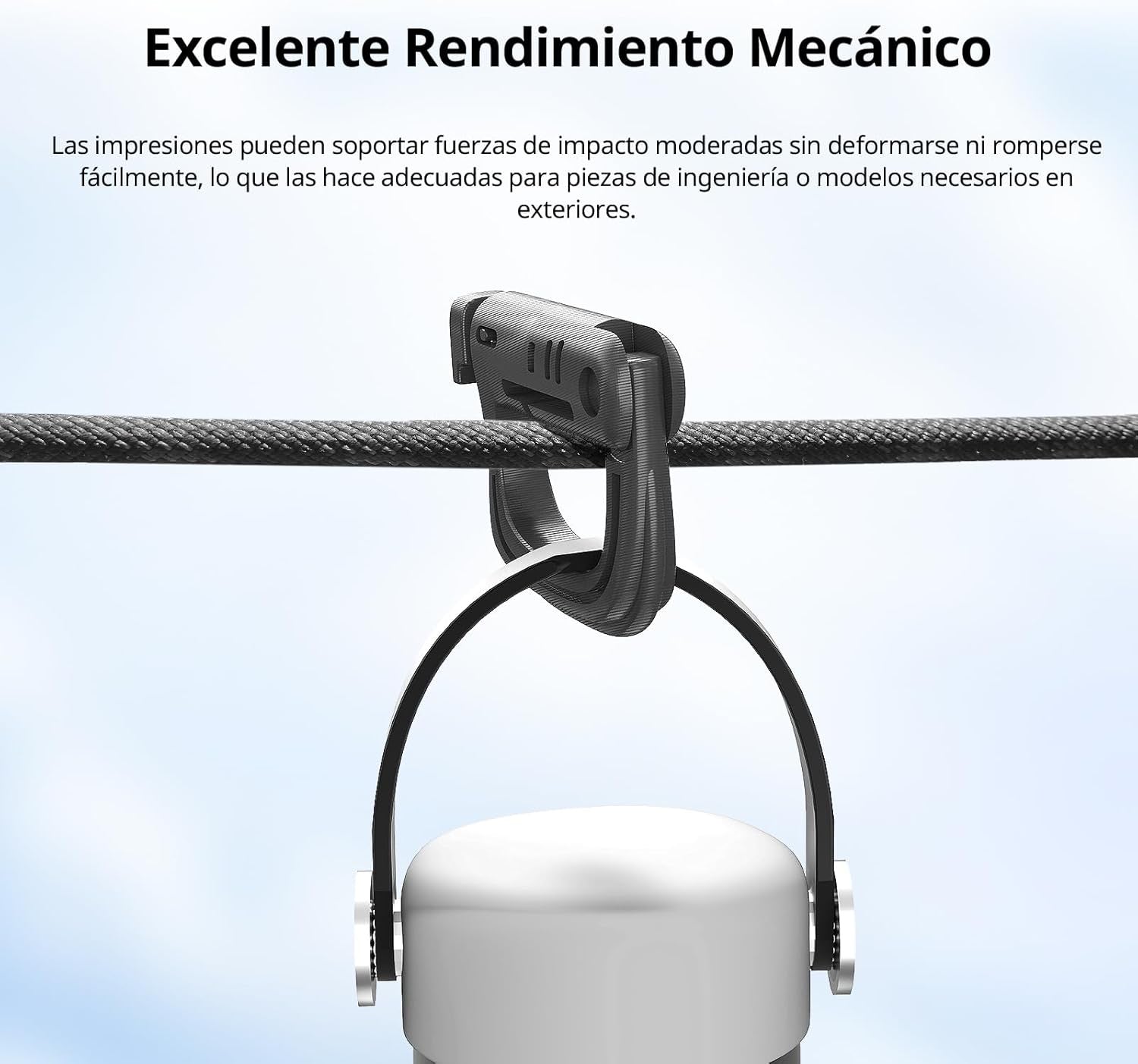
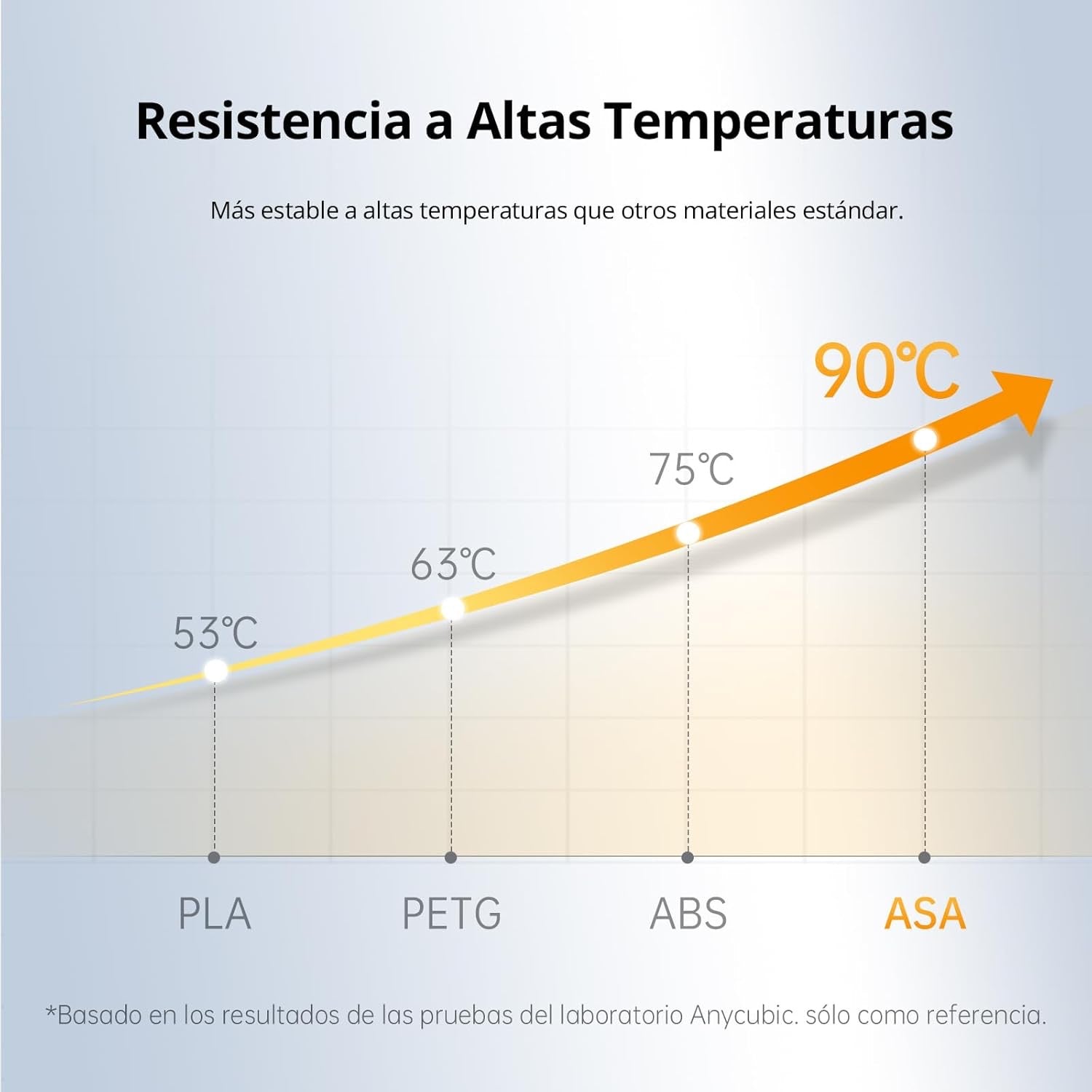
For outdoor use, ASA: it stands up to sunlight without softening or yellowing. For heat without sun, PETG if it's moderate and polycarbonate if it's a lot.
Yes. It's standard 1.75 mm filament. The only thing you won't use is the RFID chip, which is only read by Anycubic printers with their multicolour system.
If you hear popping at the nozzle, see bubbles or stringing that wasn't there before, or your parts come out brittle, it's moisture. Dry it before you carry on printing.
PLA is easier to print and gives a better finish; PETG handles knocks, heat and moisture better. PLA for decorative pieces, PETG for parts that are going to be used.
It's the same filament, wound without the plastic spool. It's a bit cheaper and means less waste; you fit it onto a reusable spool and you're good to go.
They're different technologies. Filament is for FDM printers, which melt a strand of plastic; resin is for resin printers, which give far more detail but need more cleaning up afterwards. You can't use one in place of the other.
Descubre cómo elegir el filamento perfecto para tus proyectos de impresión 3D 🎯. Desde PLA y PETG hasta filamentos má...
Descubre todos los tipos de filamentos 3D en 2025 con ejemplos y consejos fáciles para elegir el mejor material según...
🤔 ¿cuánto rinde 1 kg de filamento 3d? Descubre cuántas piezas puedes imprimir, cómo calcularlo y trucos para optimiza...