


3D Printing Resins: A Guide to Consumer Resins
Discover everything about 3D printing resins: types, uses, and practical tips for achieving detailed, professional pr...
🌀 Discover our collection of Flexible and Semi-Flexible 3D Resins, designed to deliver toughness when printing functional parts, ergonomic prototypes and perfect-fit components. Their low viscosity and fast curing let you reproduce fine details with controlled elasticity, while their optimised formulation ensures elastic recovery, wear resistance and superior elongation.
Compatible with SLA/DLP printers, these resins stand out for their durability and versatility in applications such as RC prototypes, adjustable jewellery and everyday parts, among many others. 🔄
If you're after impact resistance rather than flexibility, check out our tough resins or, for technical parts, our engineering resins. You can find a test of Anycubic's Tough Ultra in our review. Flexible parts need less curing than rigid ones: take a look at our post-processing products and our curing time guide. You'll find all our resins in 3D printer resins.


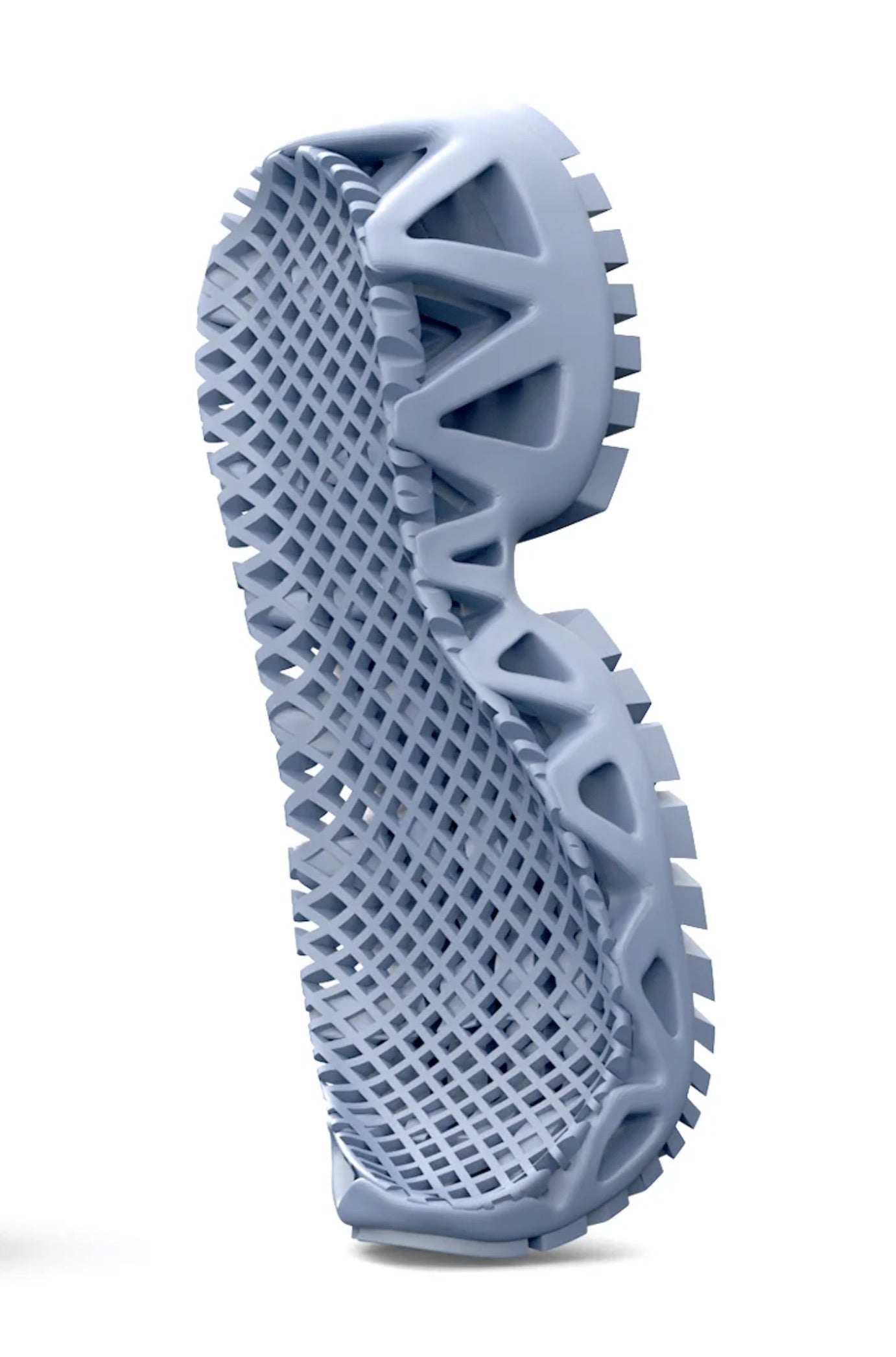
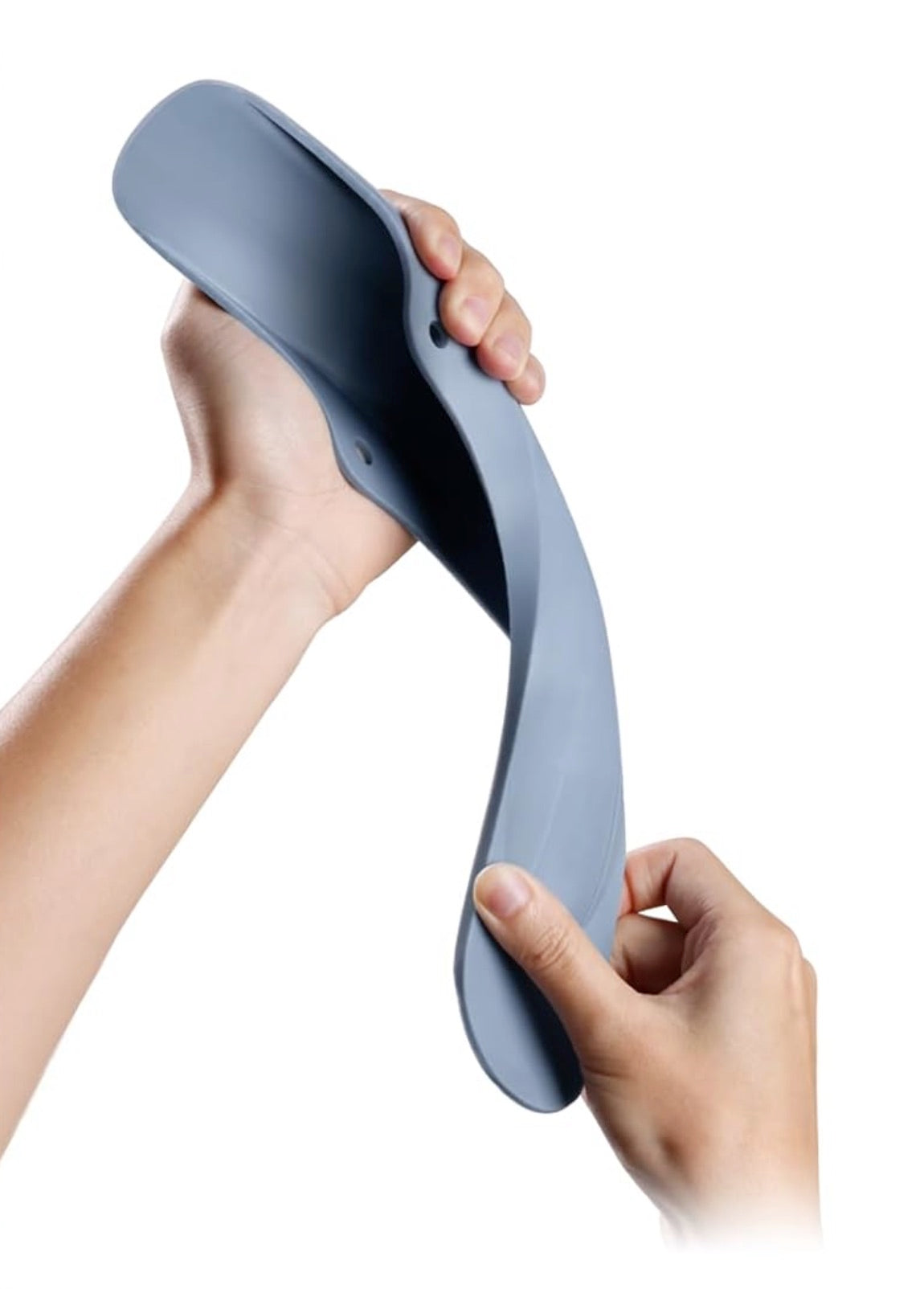
🔧 Different flexibility levels for every project
⚙️ Compatible with 405 nm UV printers
To achieve truly elastic and durable parts, it is essential to adjust the printing parameters and post-processing. Use thin layers and optimal exposure times to prevent the part from becoming too rigid or sticky. Curing must be progressive: perform short cycles under UV light and test the flexibility between each one, since excessive curing can reduce elasticity. Additionally, select a flexible 3D resin with a Shore index appropriate for your application: softer ones (Shore A 50-60) are ideal for gaskets and shock absorbers, while stiffer ones (Shore A 70-90) offer greater structural resistance. Store the parts in a place protected from light and heat to preserve their properties over the long term.
The main difference lies in the level of detail and surface quality that can be achieved. Flexible resin for 3D printers allows printing parts with complex geometries, thin walls and smooth finishes, impossible to achieve with flexible FDM filament. In addition, elastic 3D resin offers greater homogeneity in elasticity and better tear resistance, making it ideal for technical or medical applications where precision is fundamental. If you need soft parts with high definition and tight tolerances, flexible 3D resin is the best option.
Yes, pieces printed with flexible 3D resin can be dyed or painted, but it is important to choose products compatible with flexible materials. For dyeing, the ideal approach is to add specific colorant for resin before printing, achieving a homogeneous color without losing elasticity. If you prefer to paint after printing, use flexible paints or dyes for silicone, applying thin layers to prevent the paint from cracking when the piece is bent. Always perform tests on a barely visible area and make sure the surface is clean and dry before applying any finish.
Flexible SLA resin excels in applications where a combination of precision, elasticity and wear resistance is needed. It is especially useful in the manufacture of gaskets, shock absorbers, protective parts, custom cases and components for medical devices or wearables. It is also the best option for anatomical models, simulators and prototypes that must withstand repeated bending without breaking. Compared to other technical resins, flexible resin for 3D printers provides an extra level of adaptability and comfort in the final use.
To ensure the stability of parts printed with flexible resin, proper design that distributes loads and avoids overly thin areas is essential. After printing, perform uniform curing and avoid overexposing the part to UV light, as this can make it brittle. During storage, keep the parts in a neutral position, without folding them or subjecting them to constant pressure, and protect them from direct sunlight and excessive heat. If the part is going to be in contact with oils, solvents or chemicals, verify the compatibility of the resin to avoid premature degradation.
Discover everything about 3D printing resins: types, uses, and practical tips for achieving detailed, professional pr...
In this article, we explore how different support tip settings in Anycubic Photon Workshop can affect 3D print succes...
Unlock the secret behind stronger, more flexible 3D prints with Anycubic Tough Ultra resin! 🌟 Perfect for demanding p...